Welcome back to Bag Raid, our clapback to photographers who gatekeep. If that's you, don't let the door hit you on the way out. Otherwise, make yourself at home, beers in the fridge etc. etc. This week we pin down perpetual wanderer Jackson O'Brien. No small feat for a man on the move.
Photos: Jackson O'Brien.
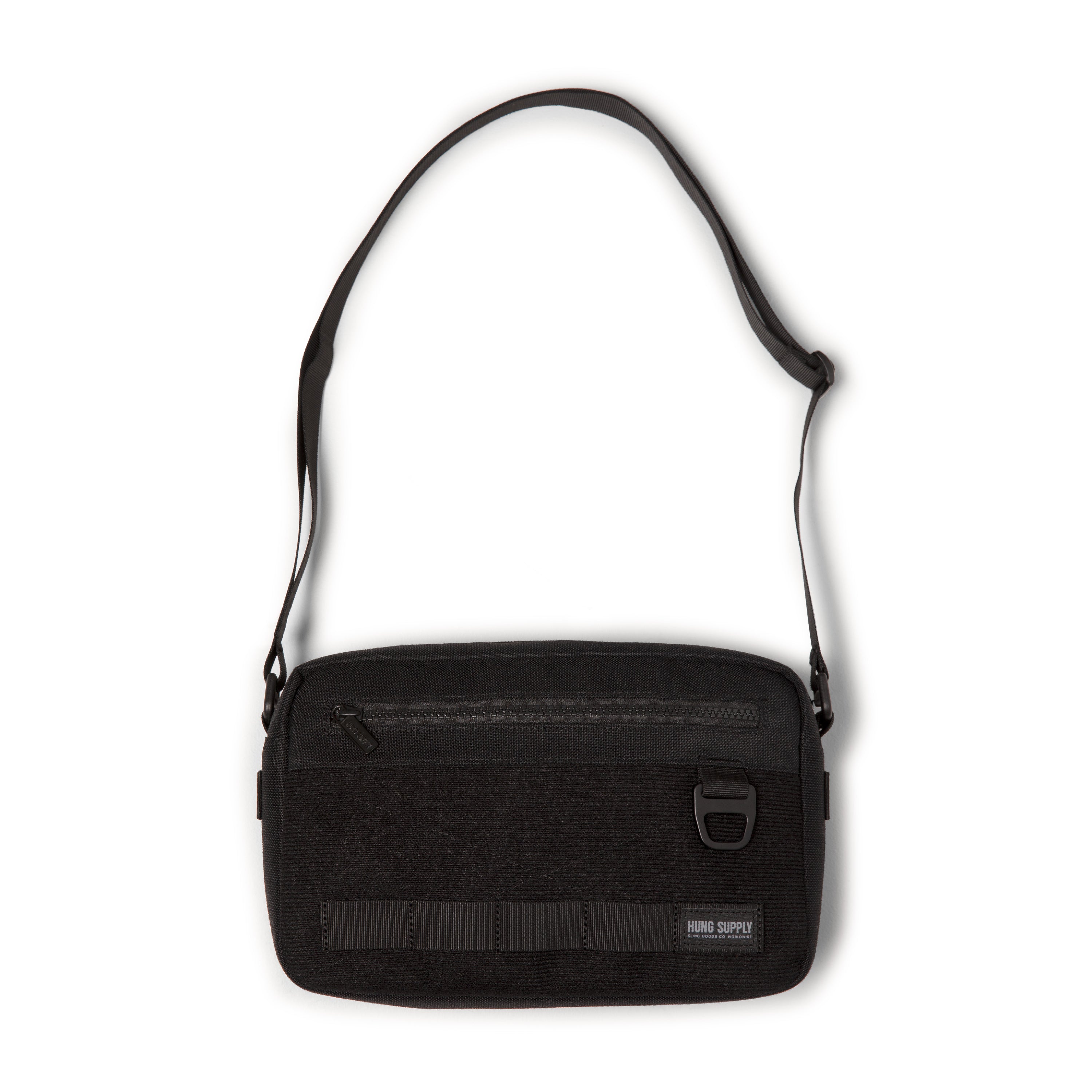
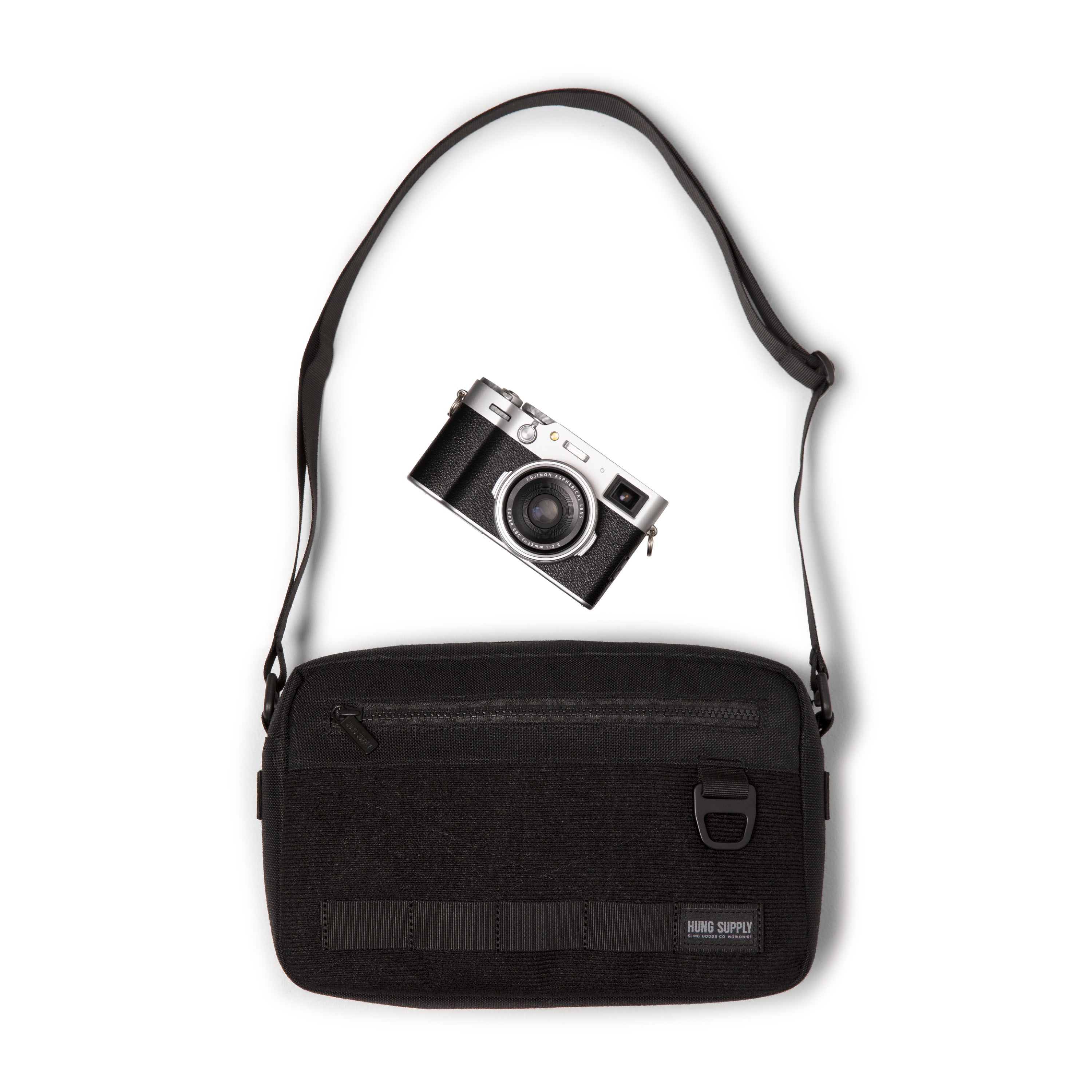
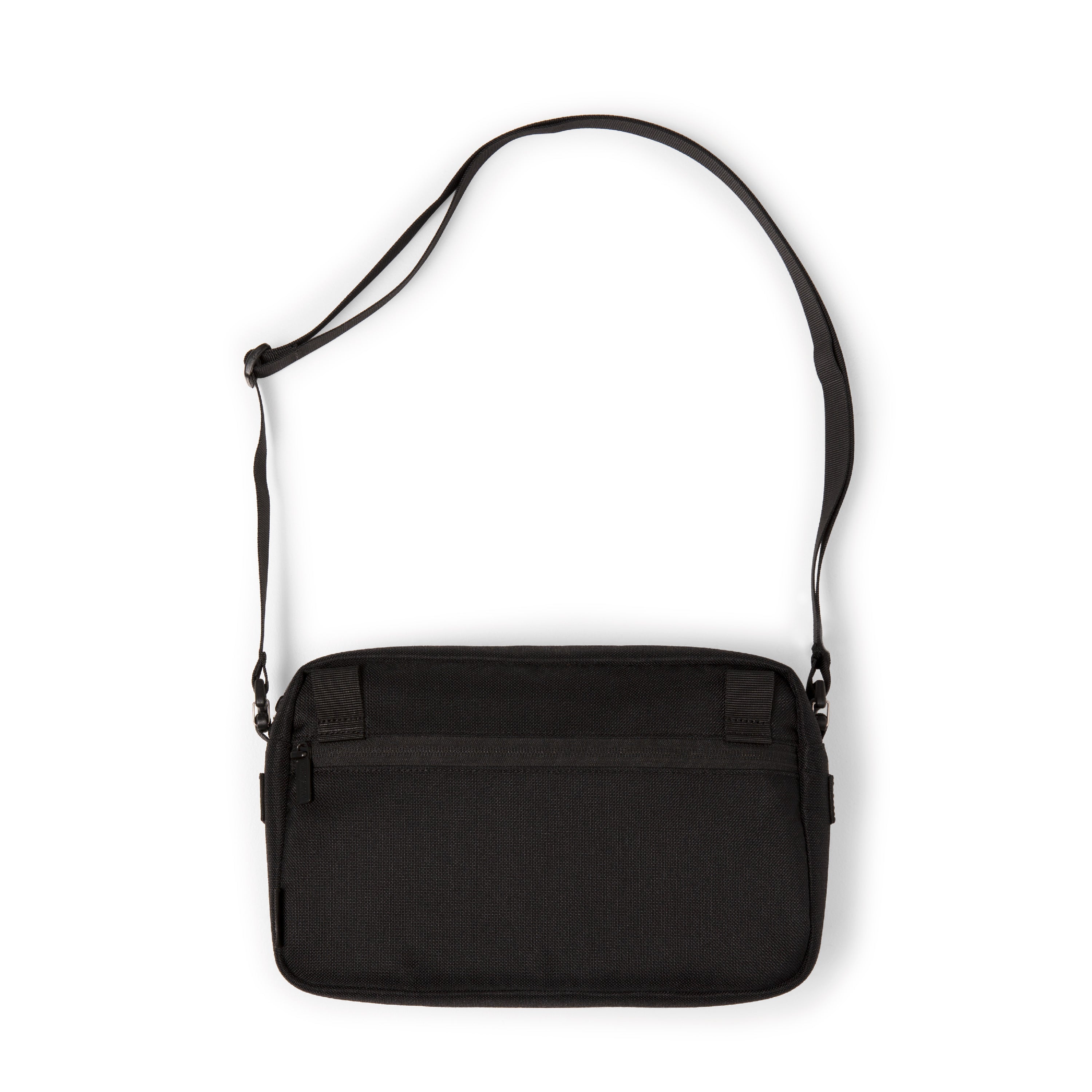
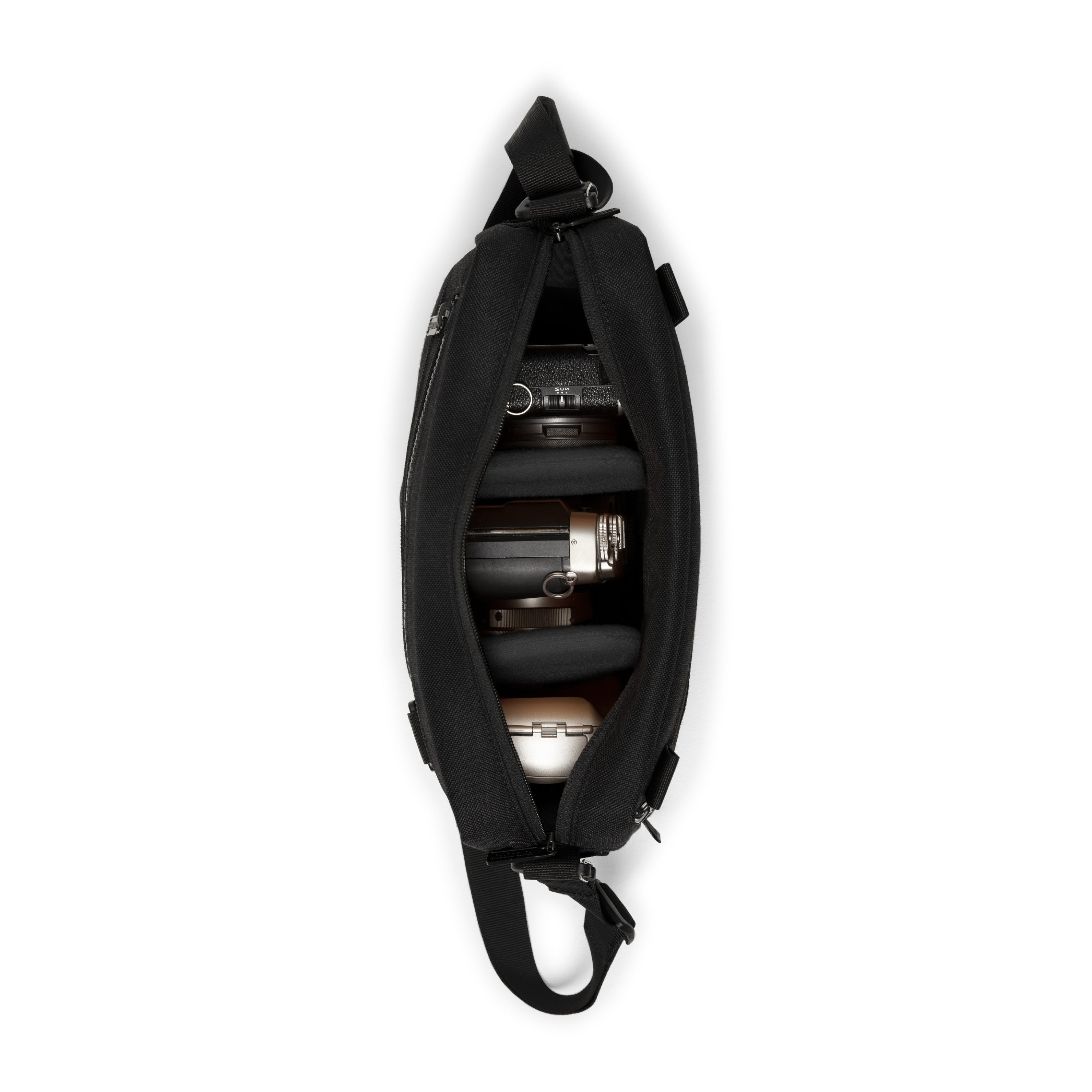
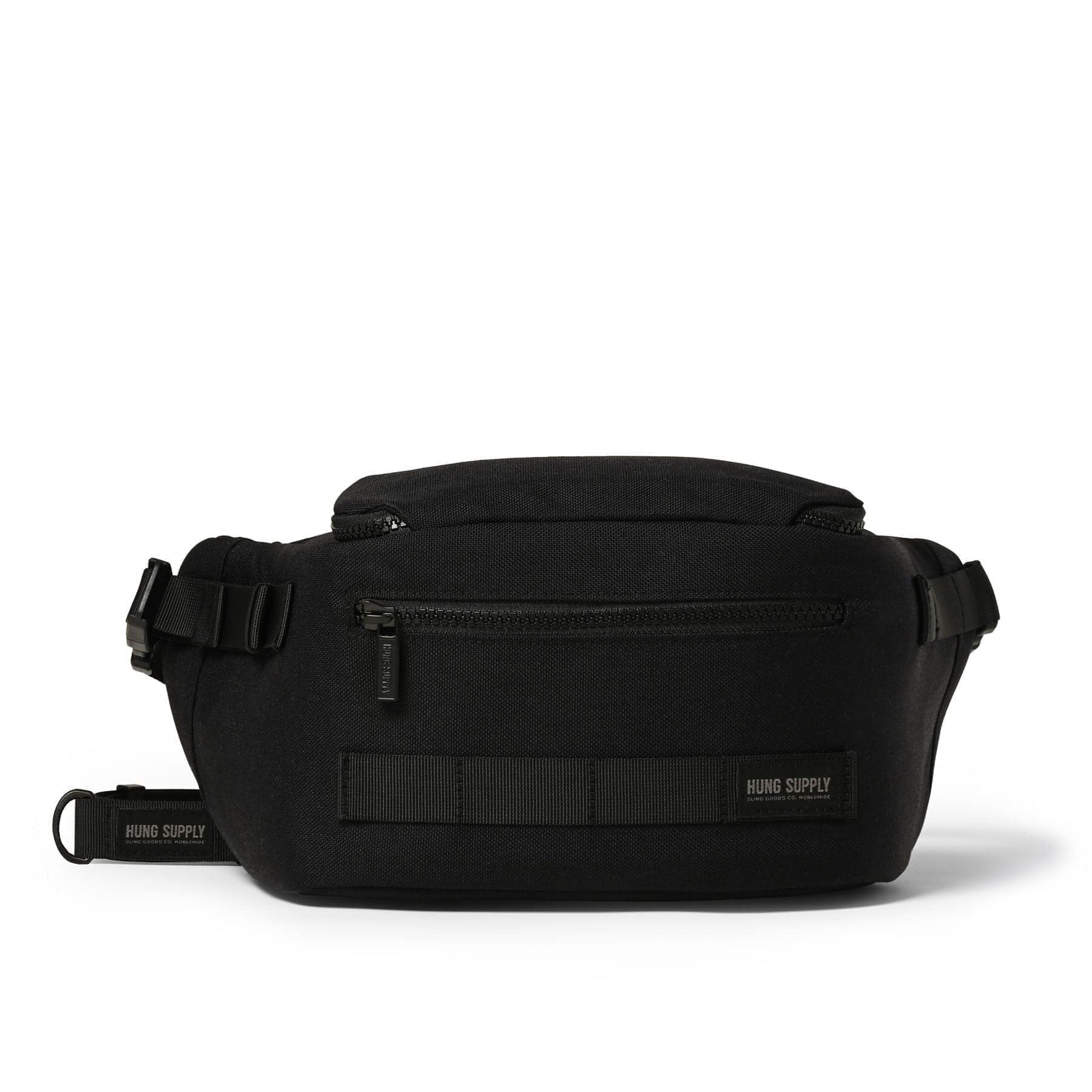
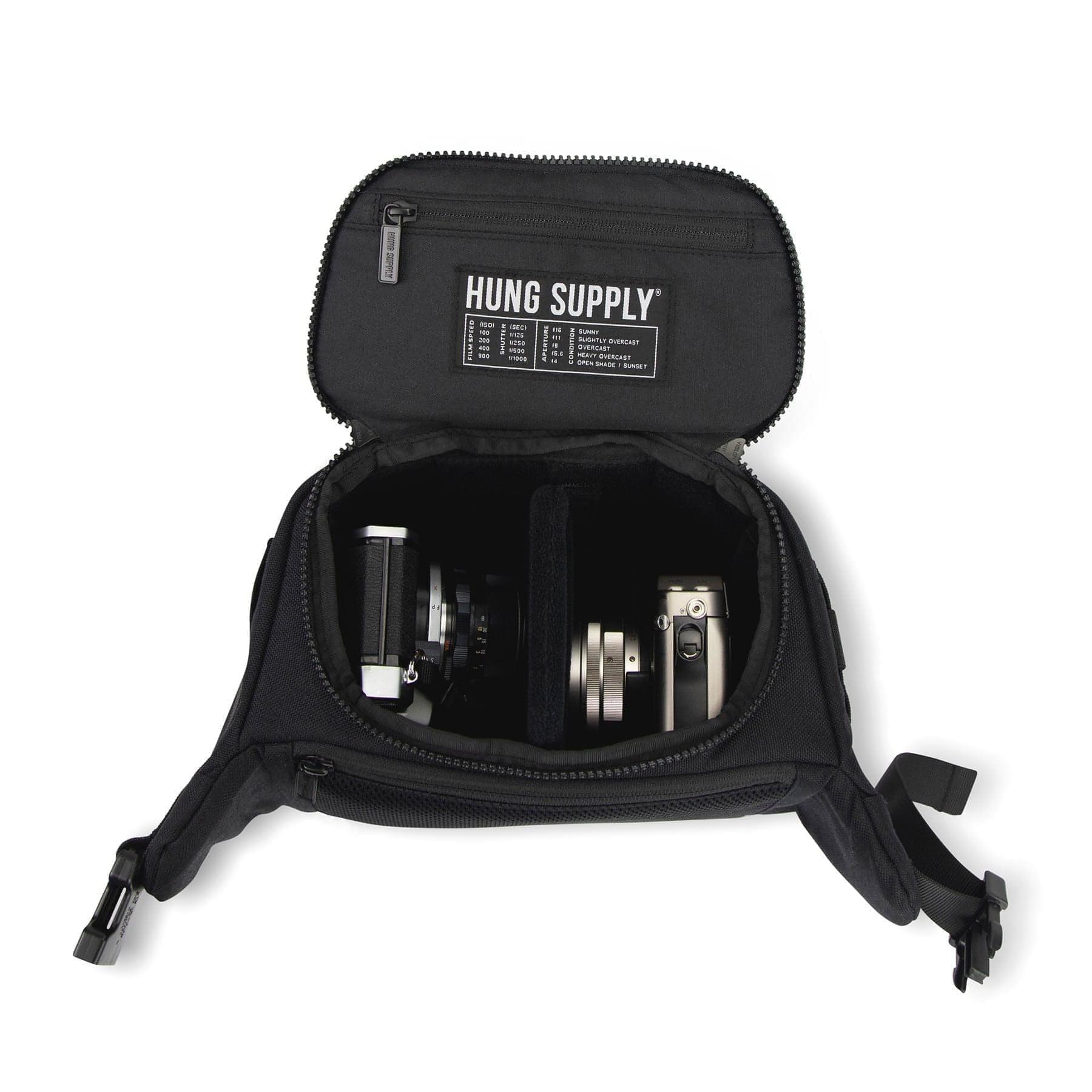
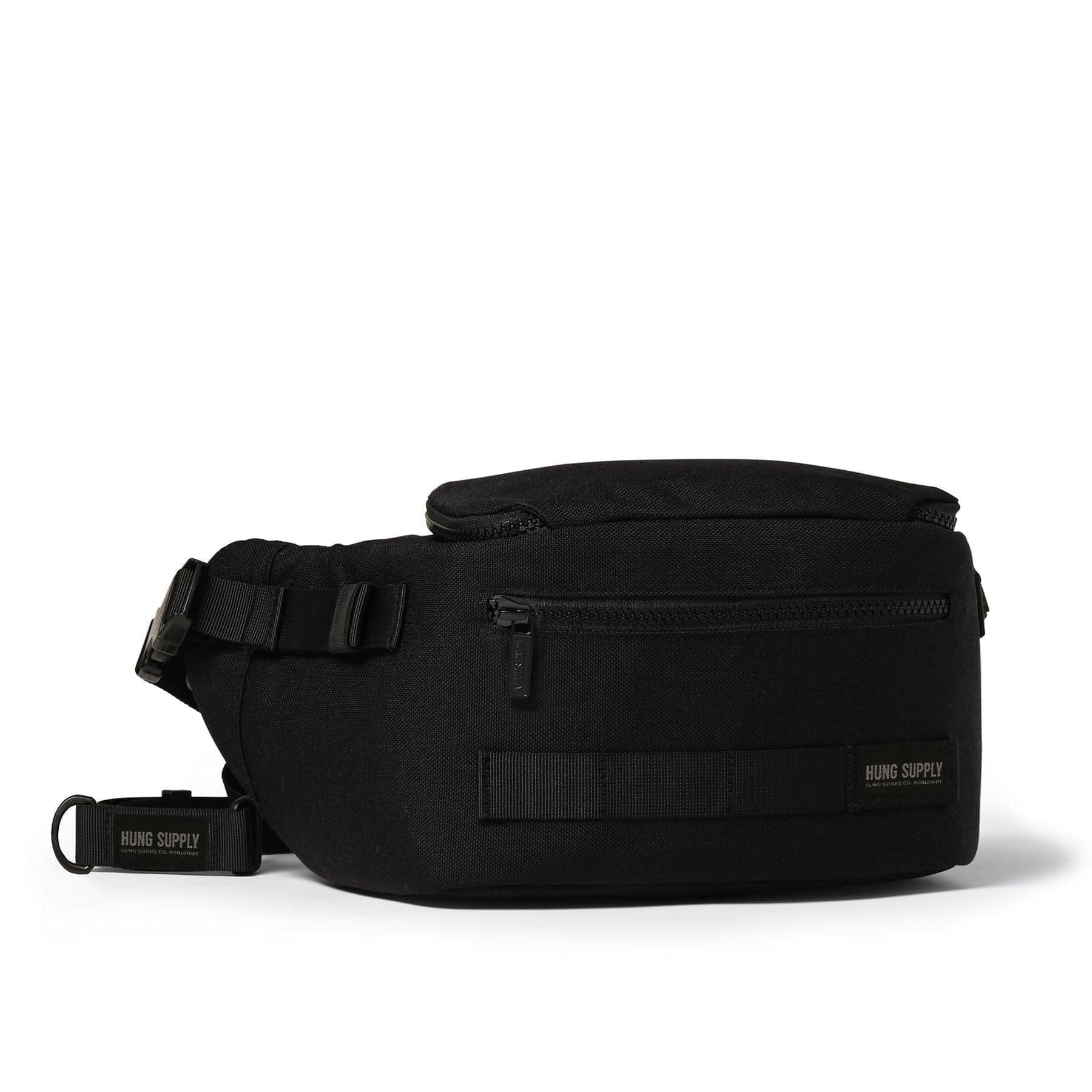
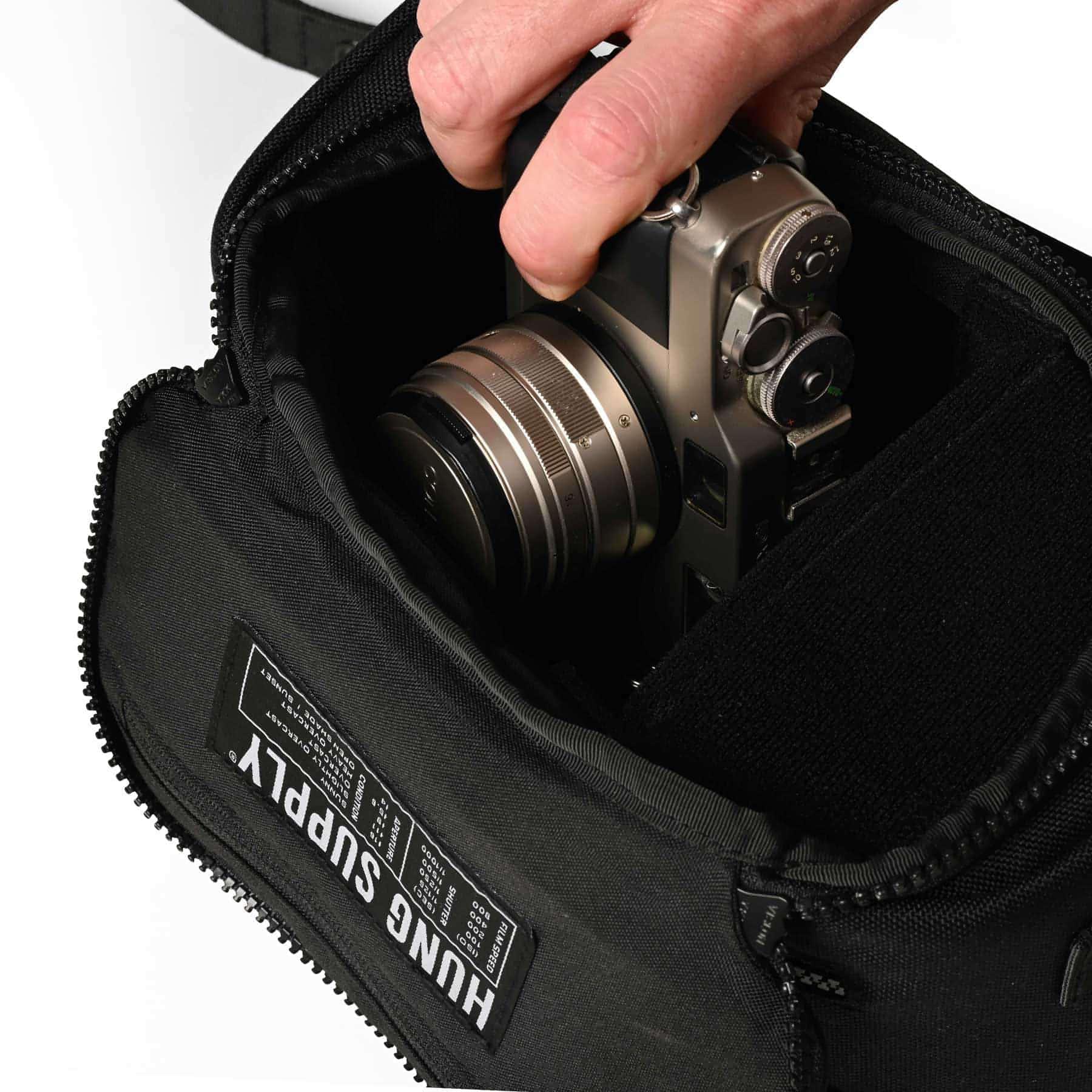
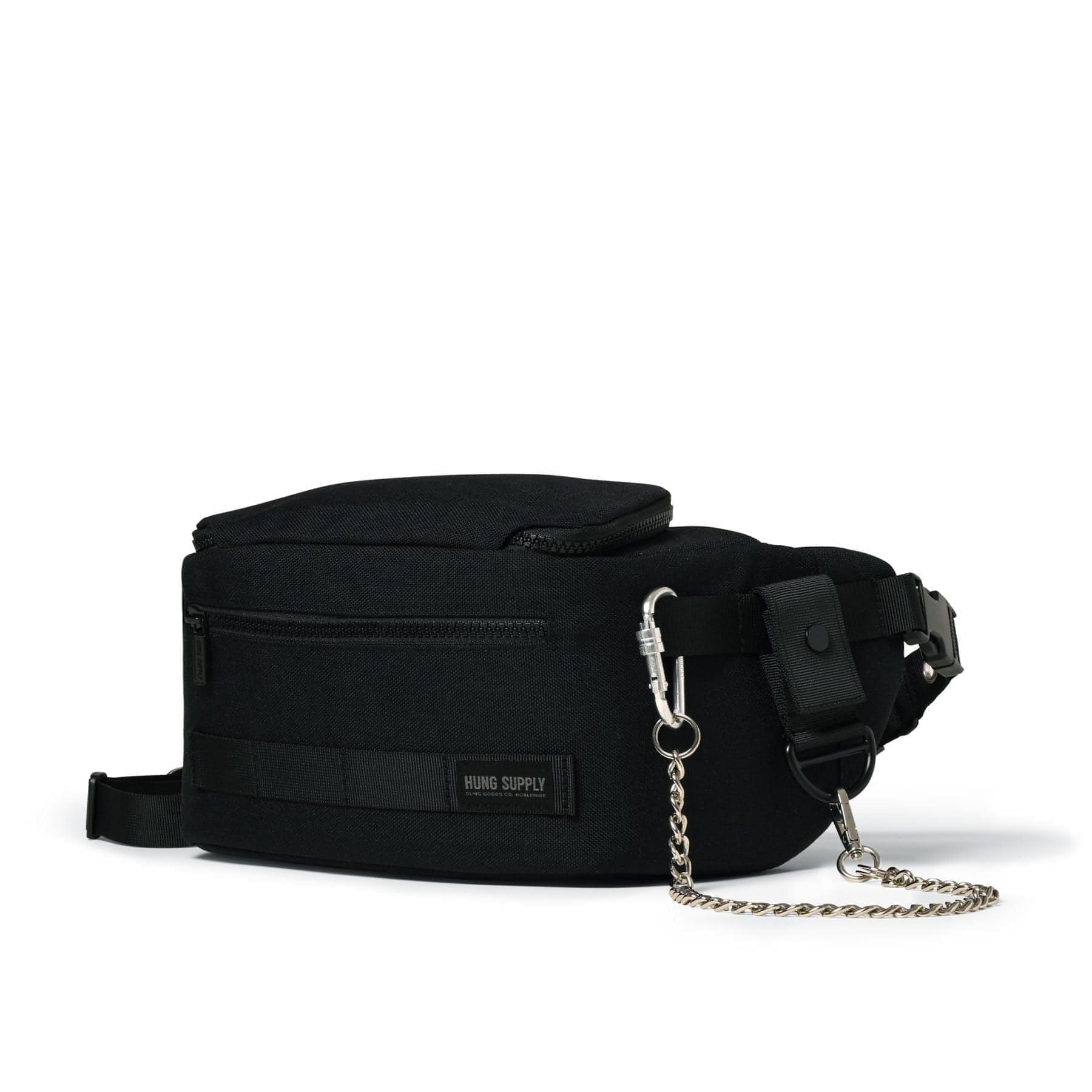
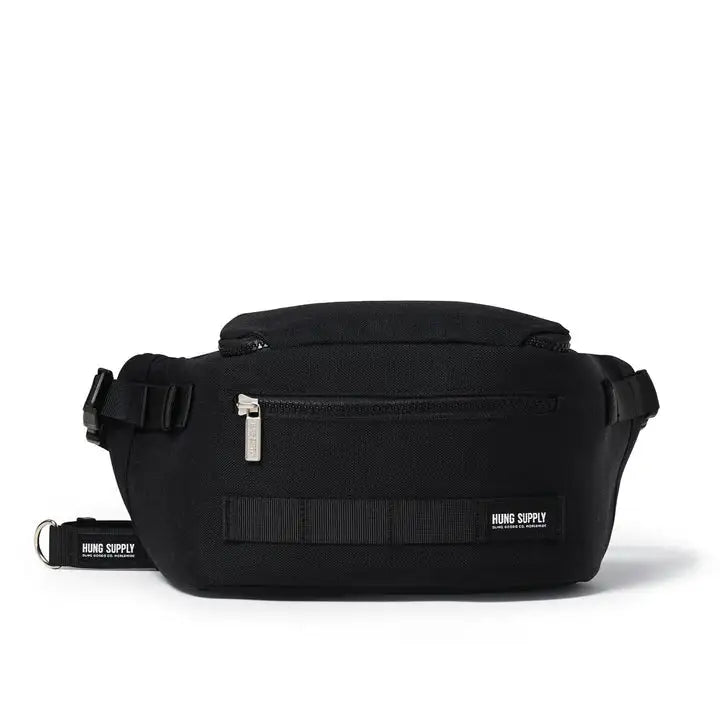
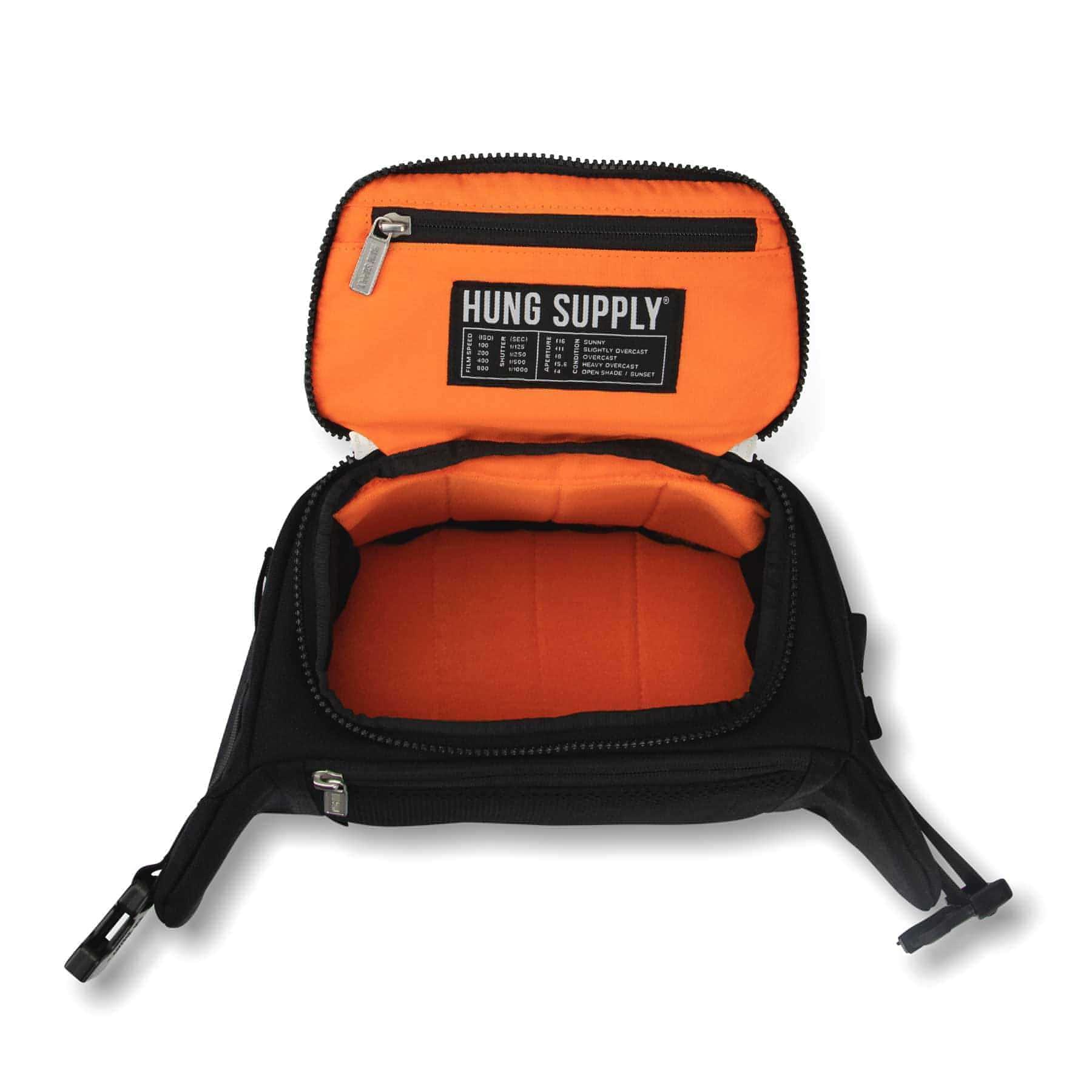
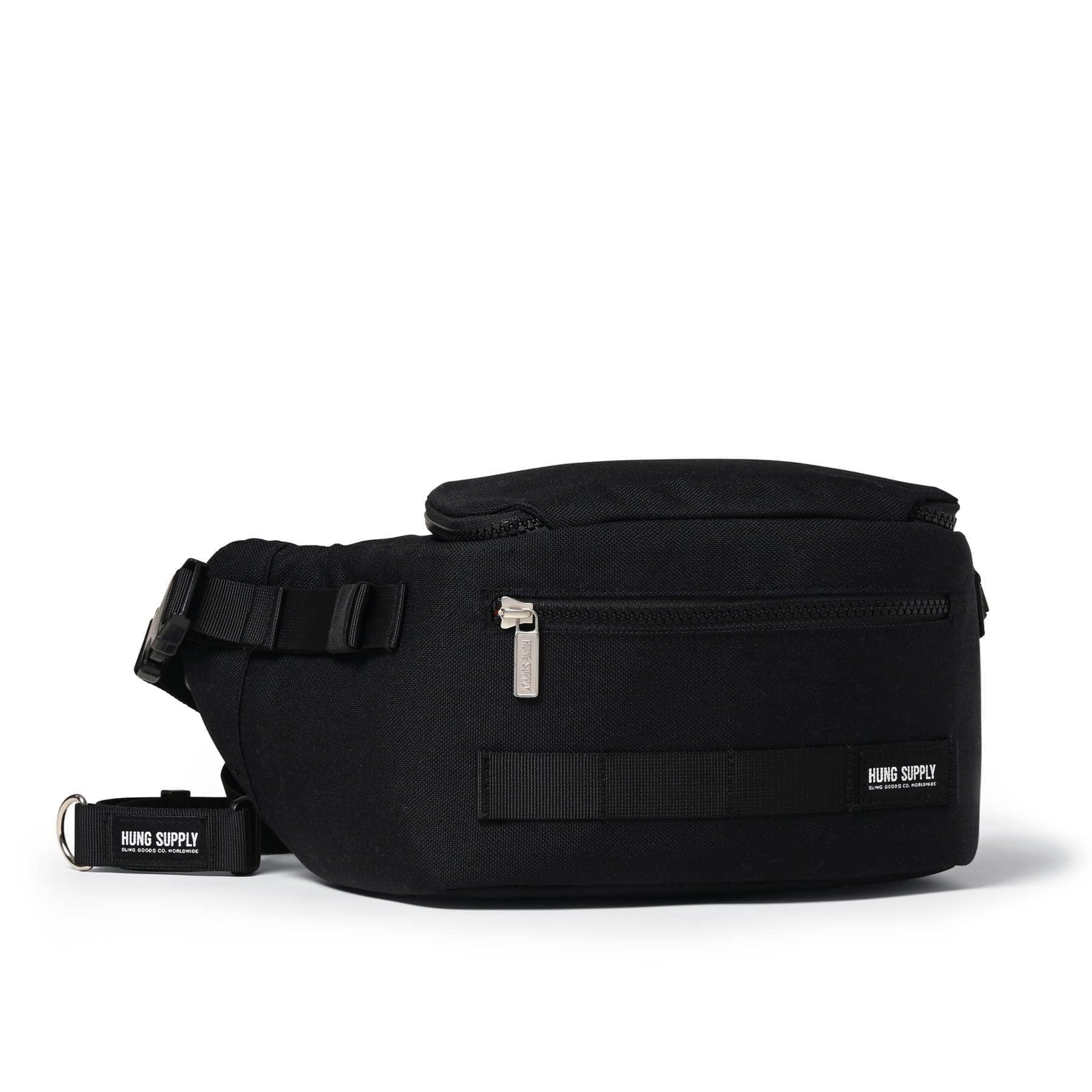
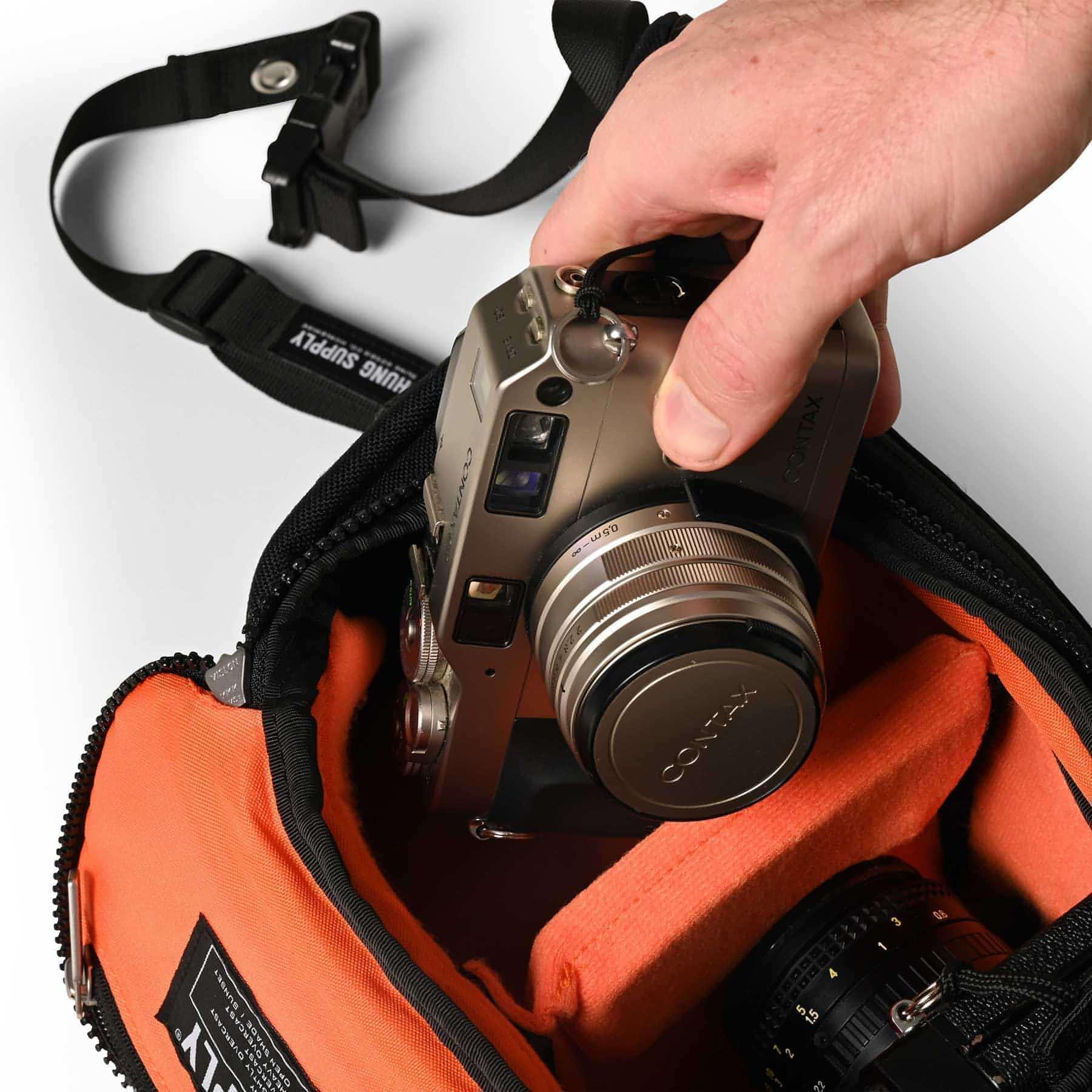
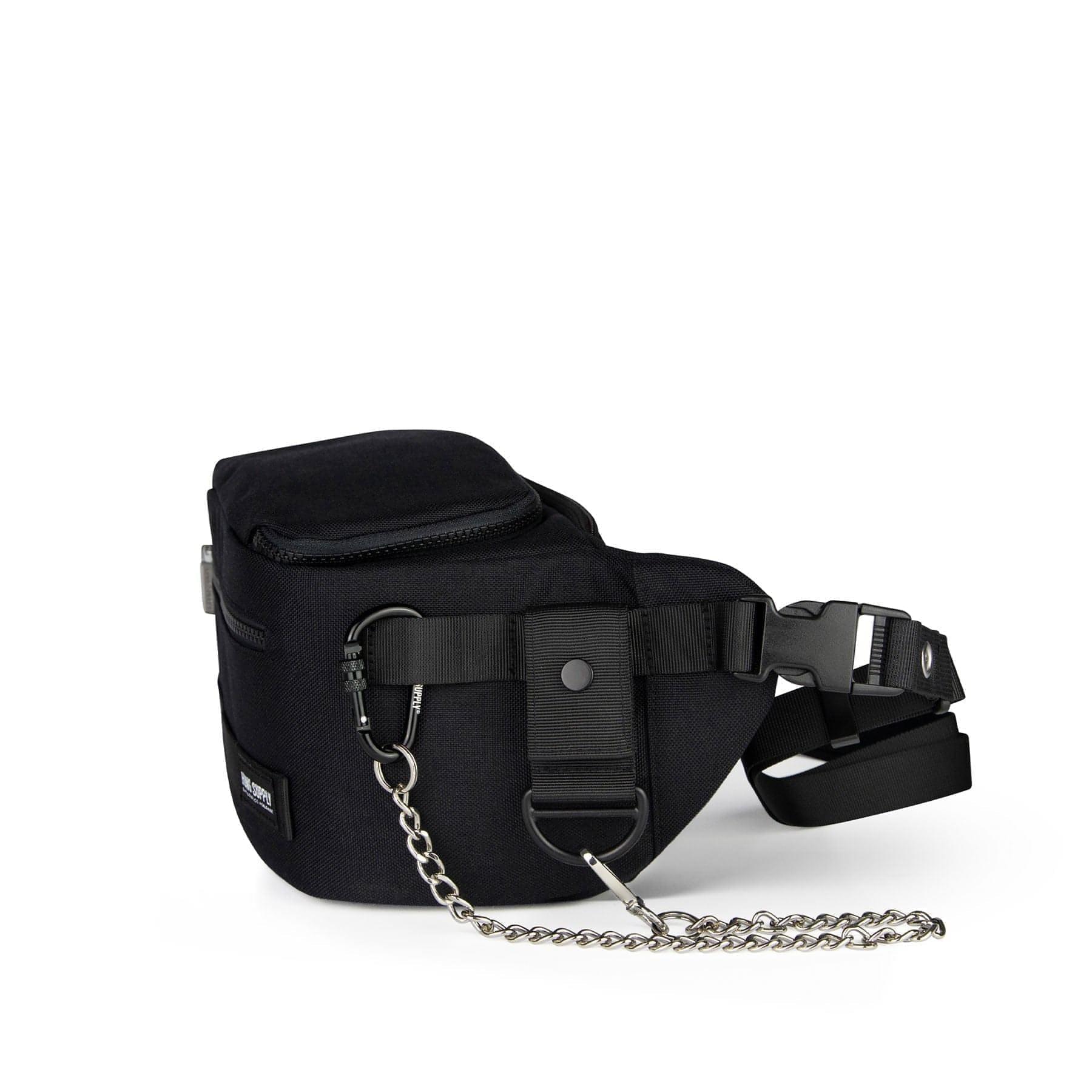
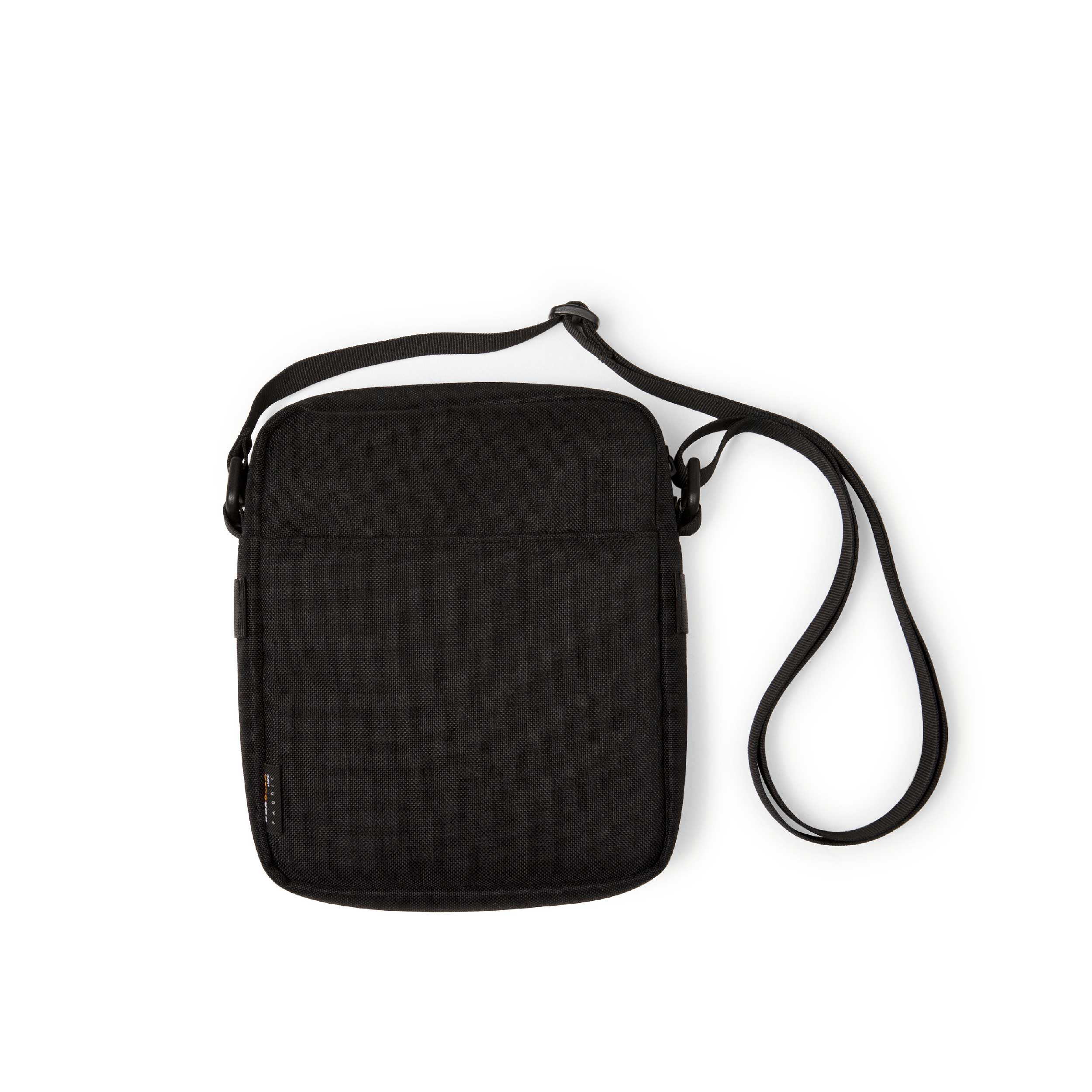
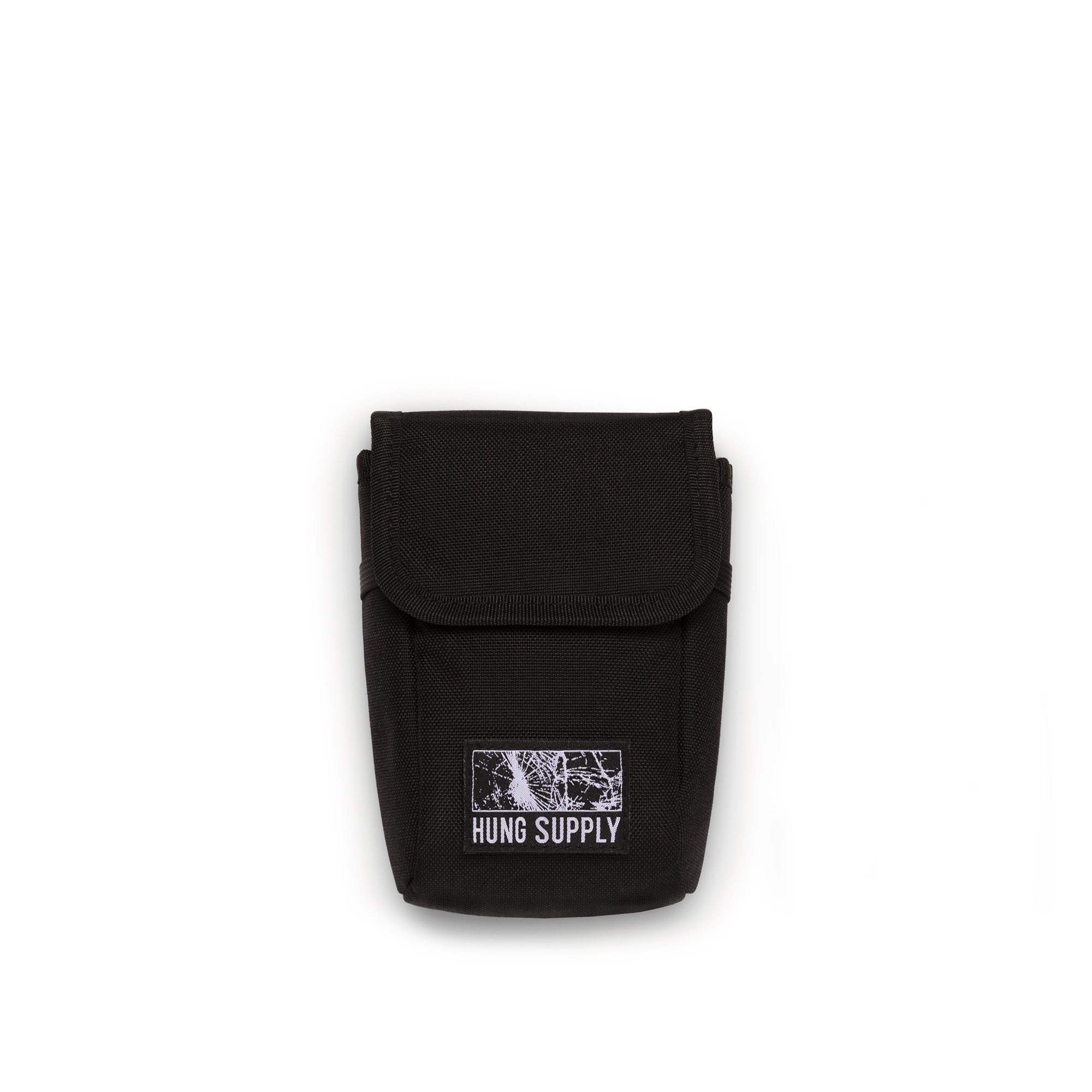
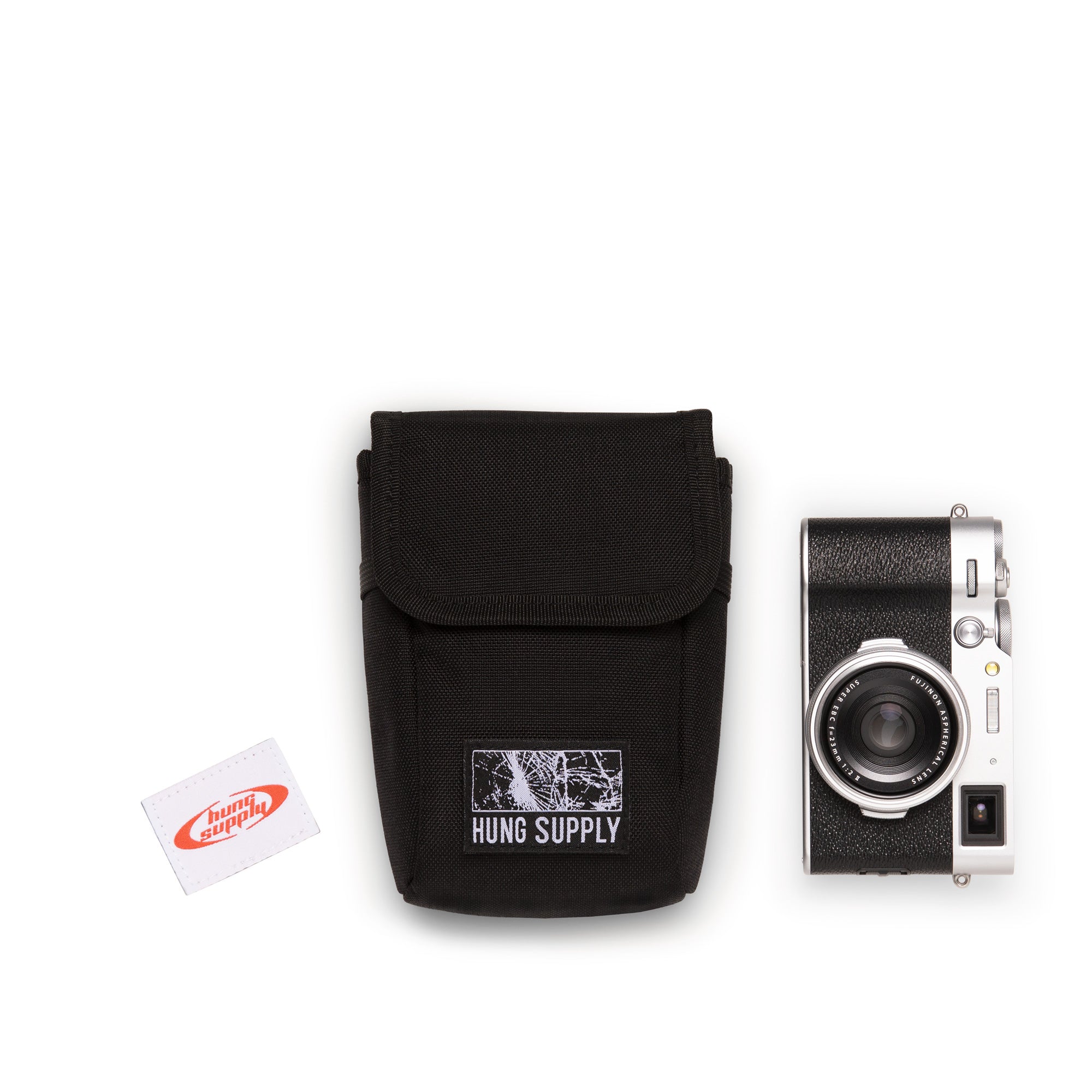
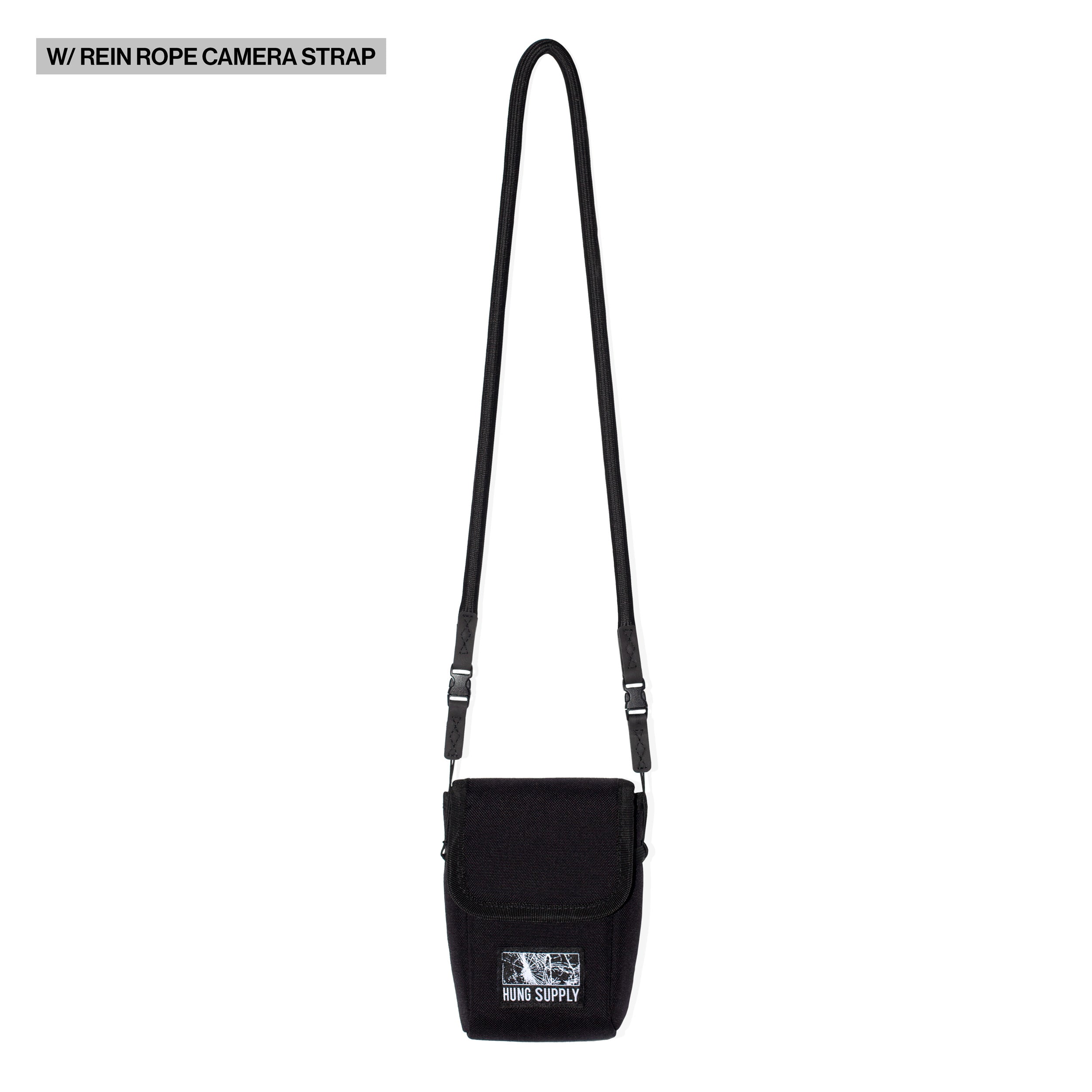
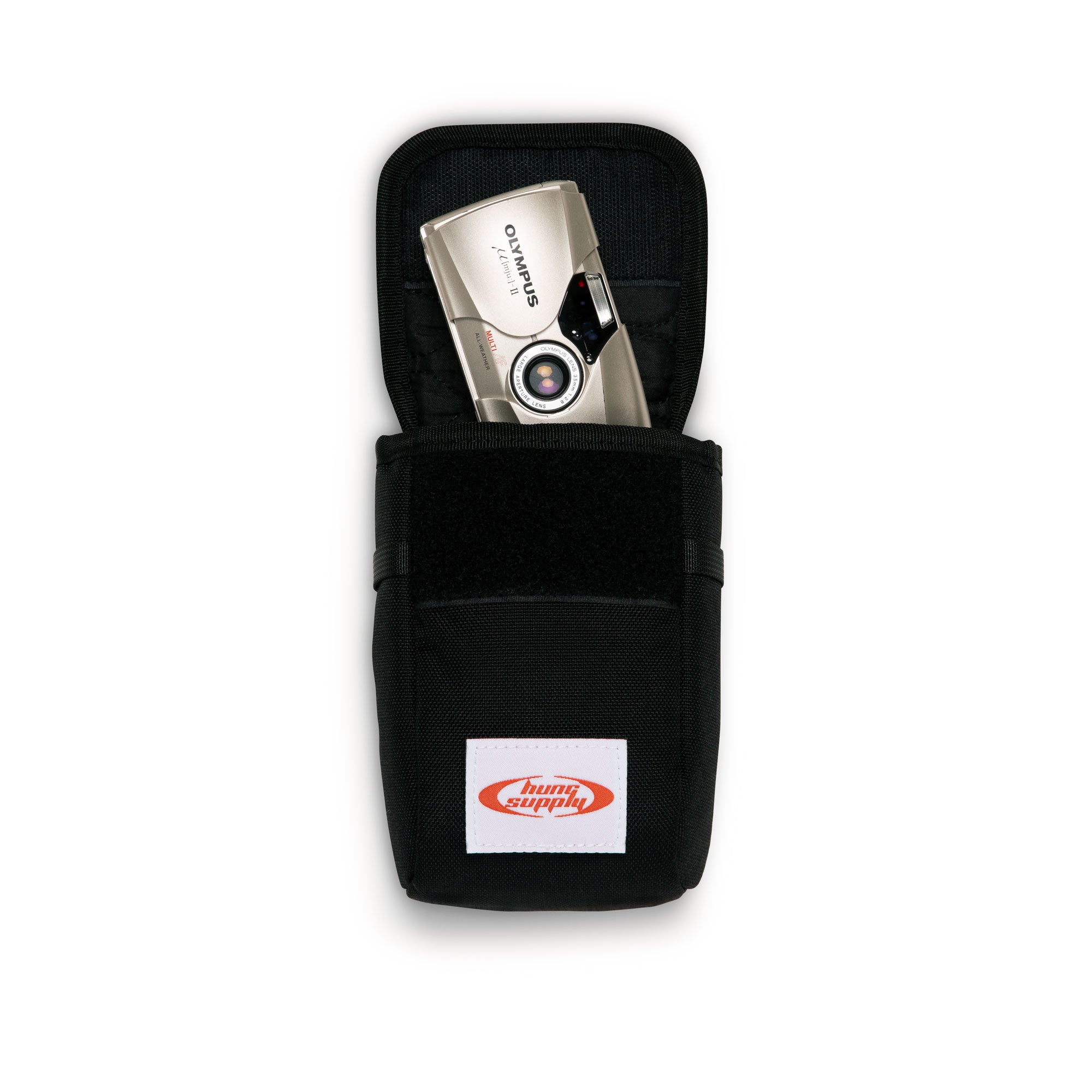
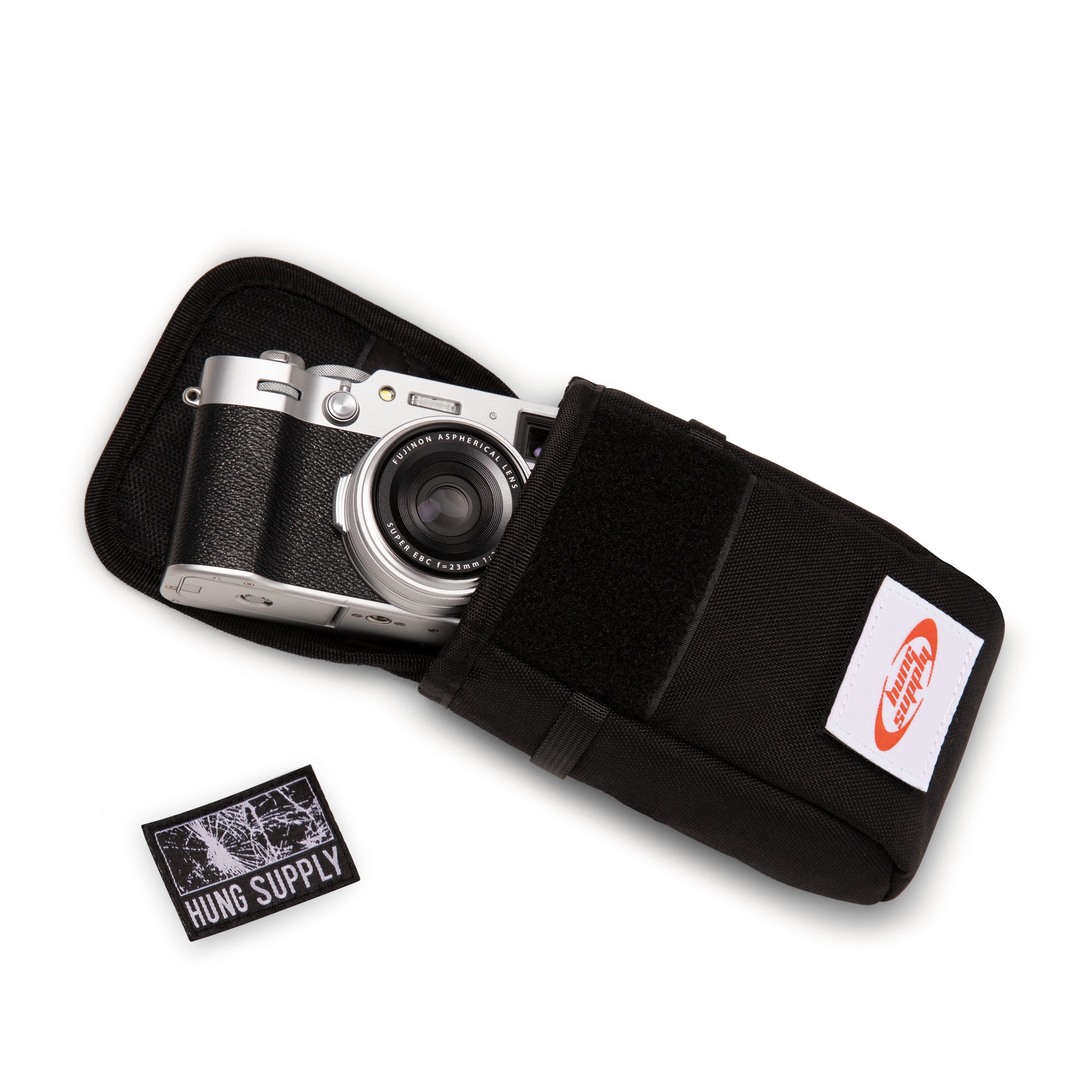
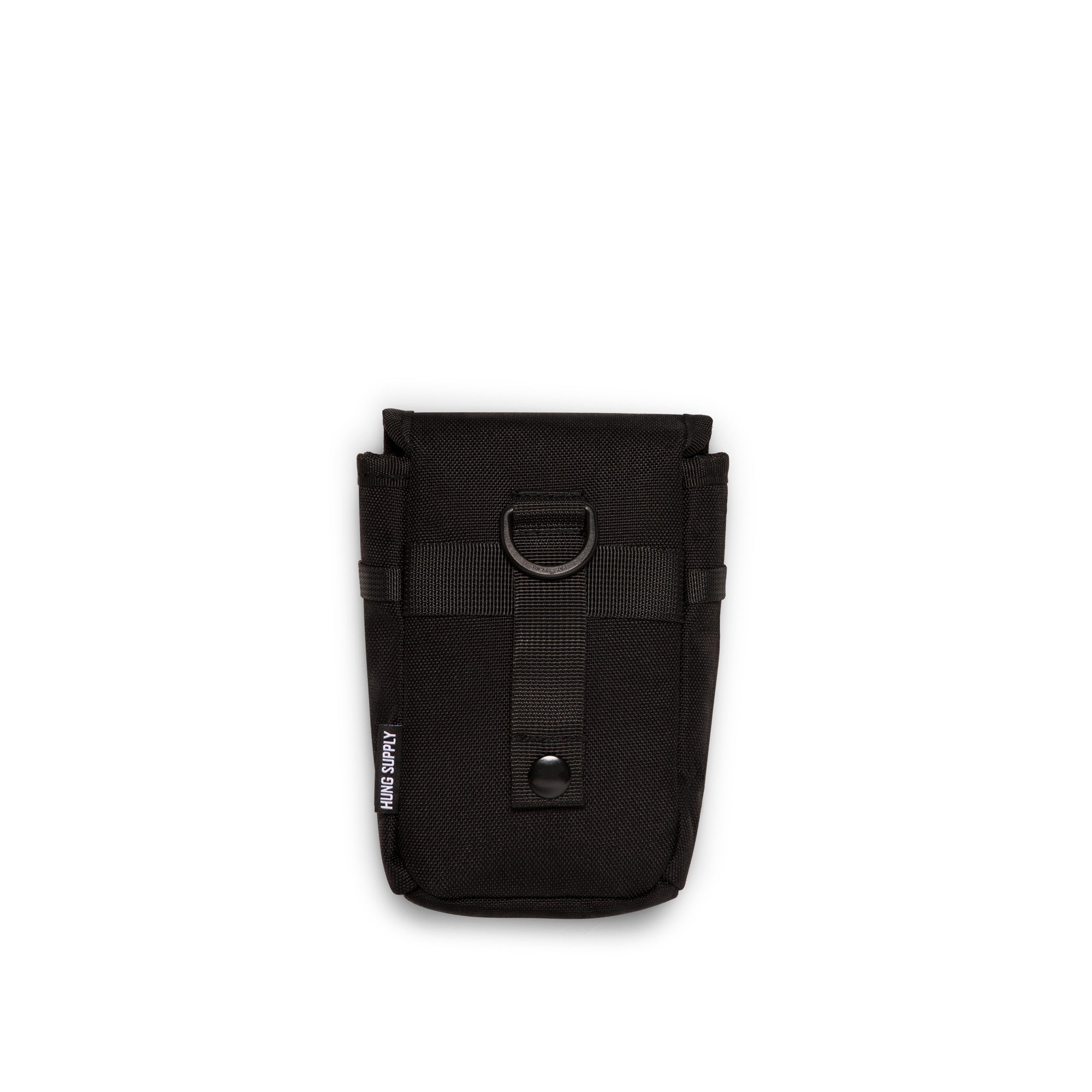
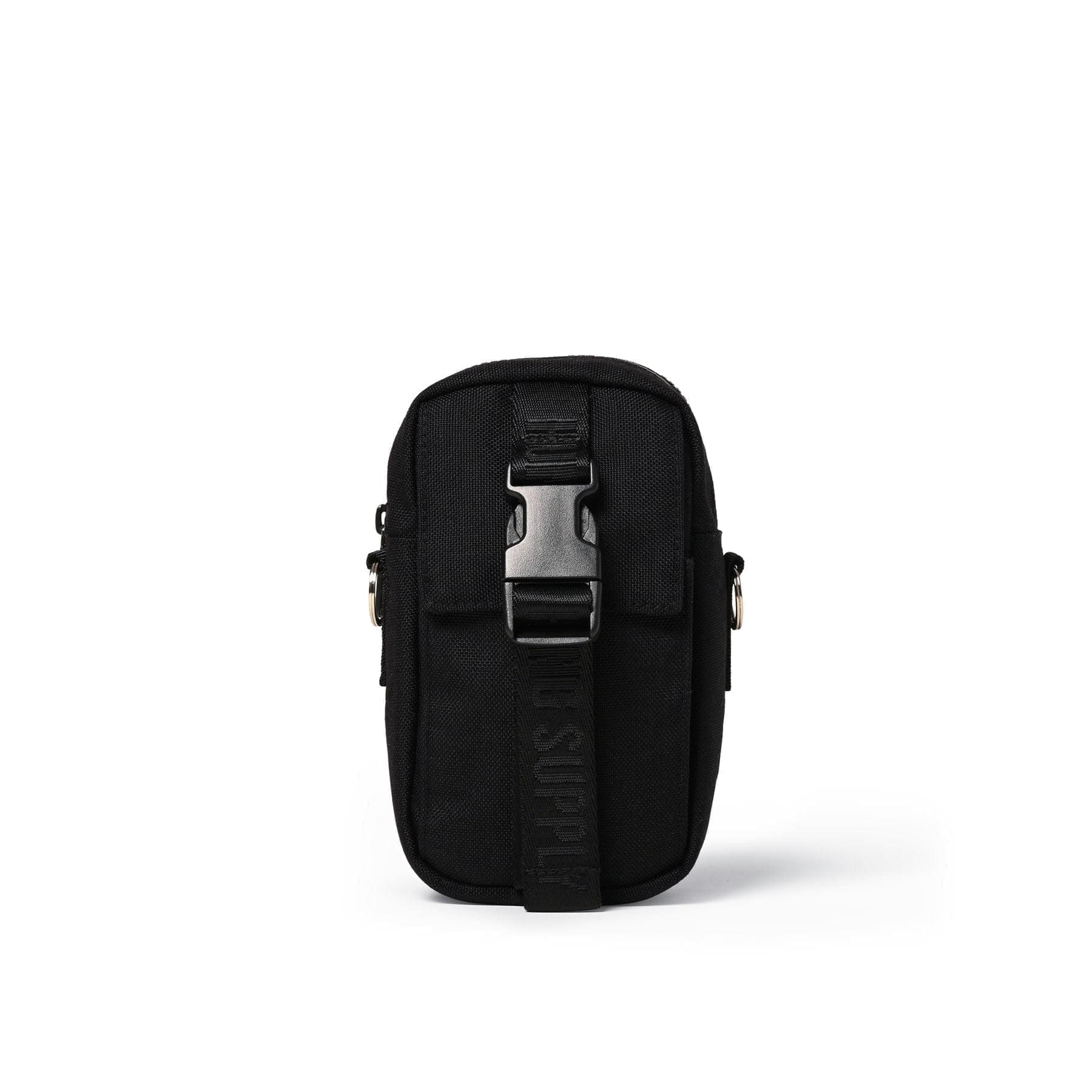
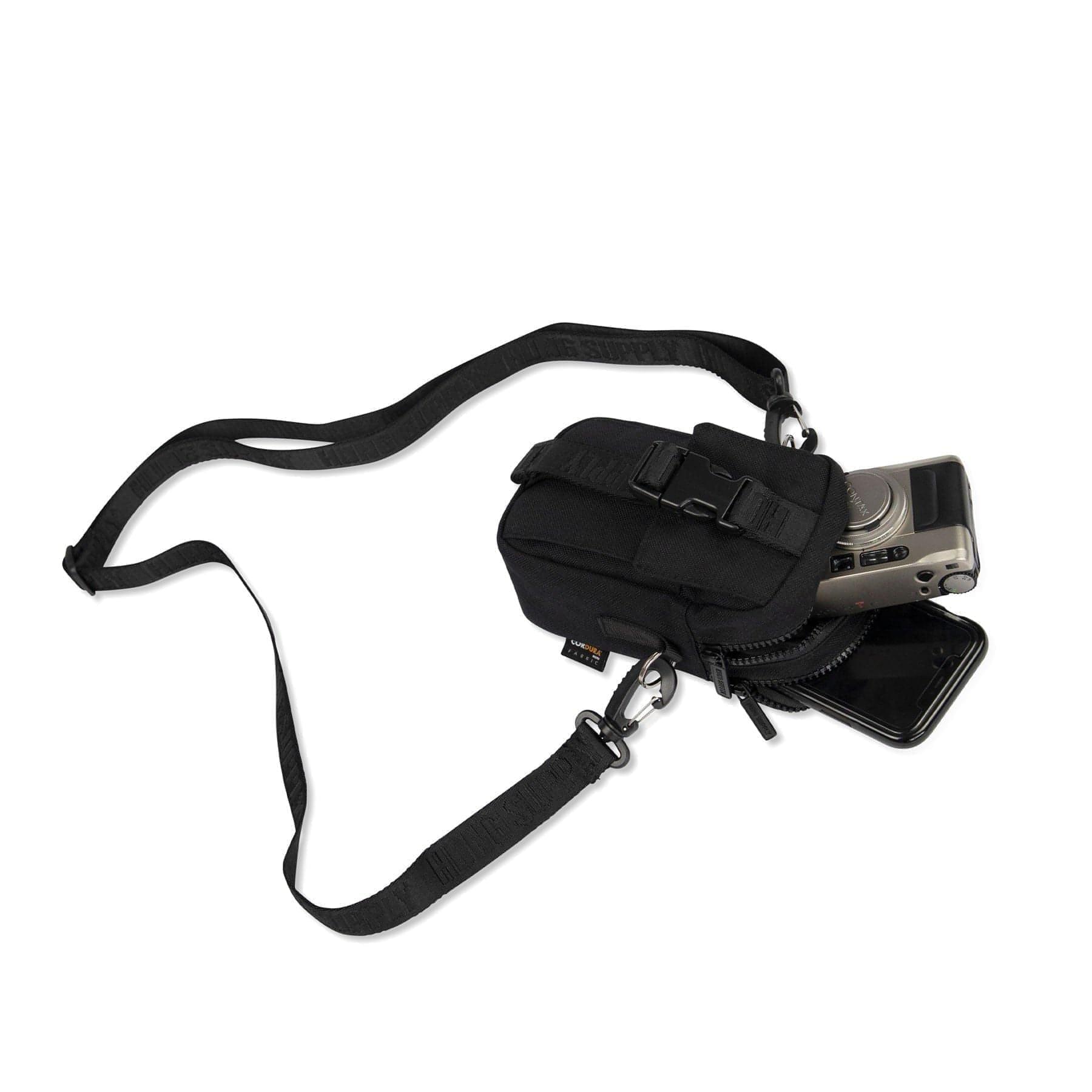
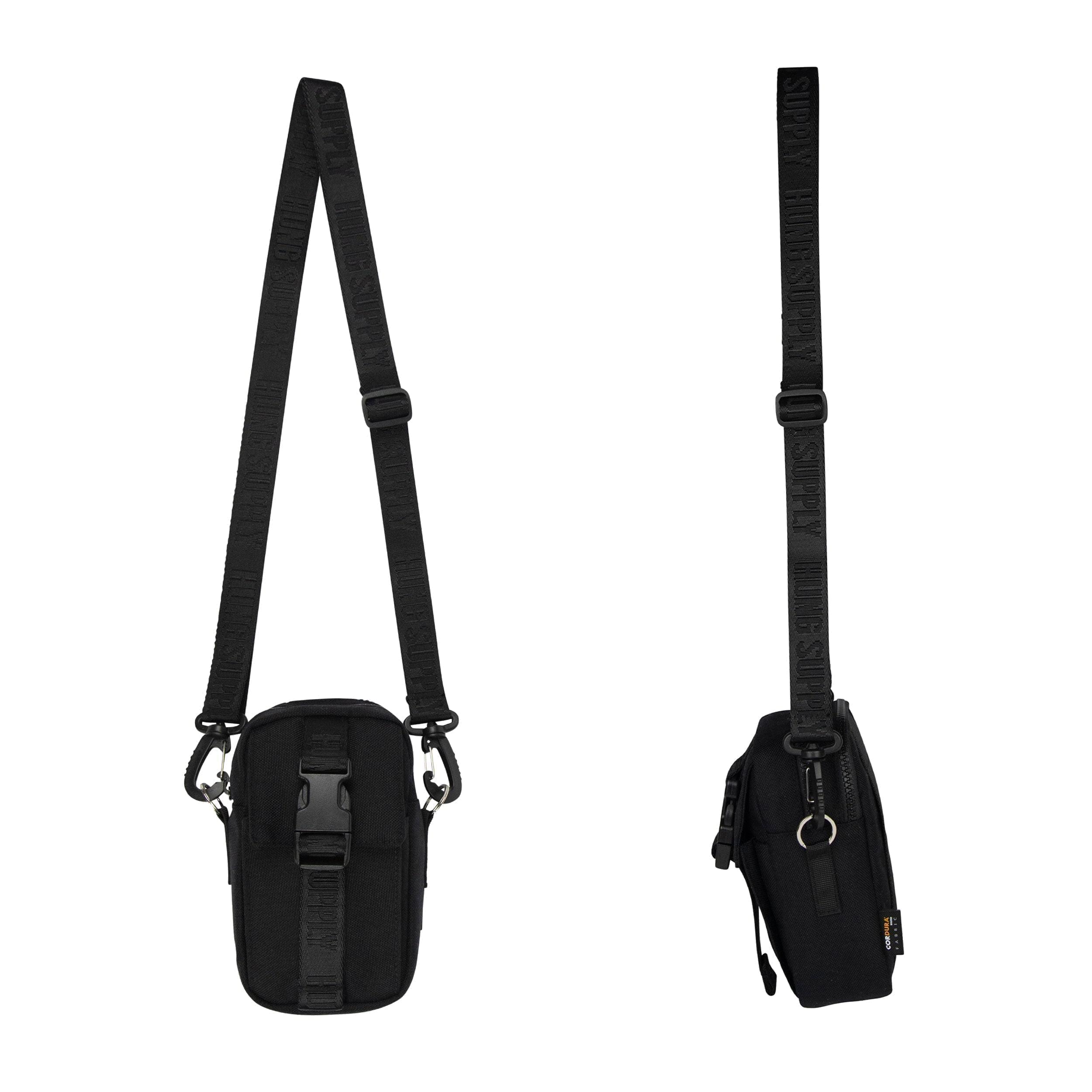
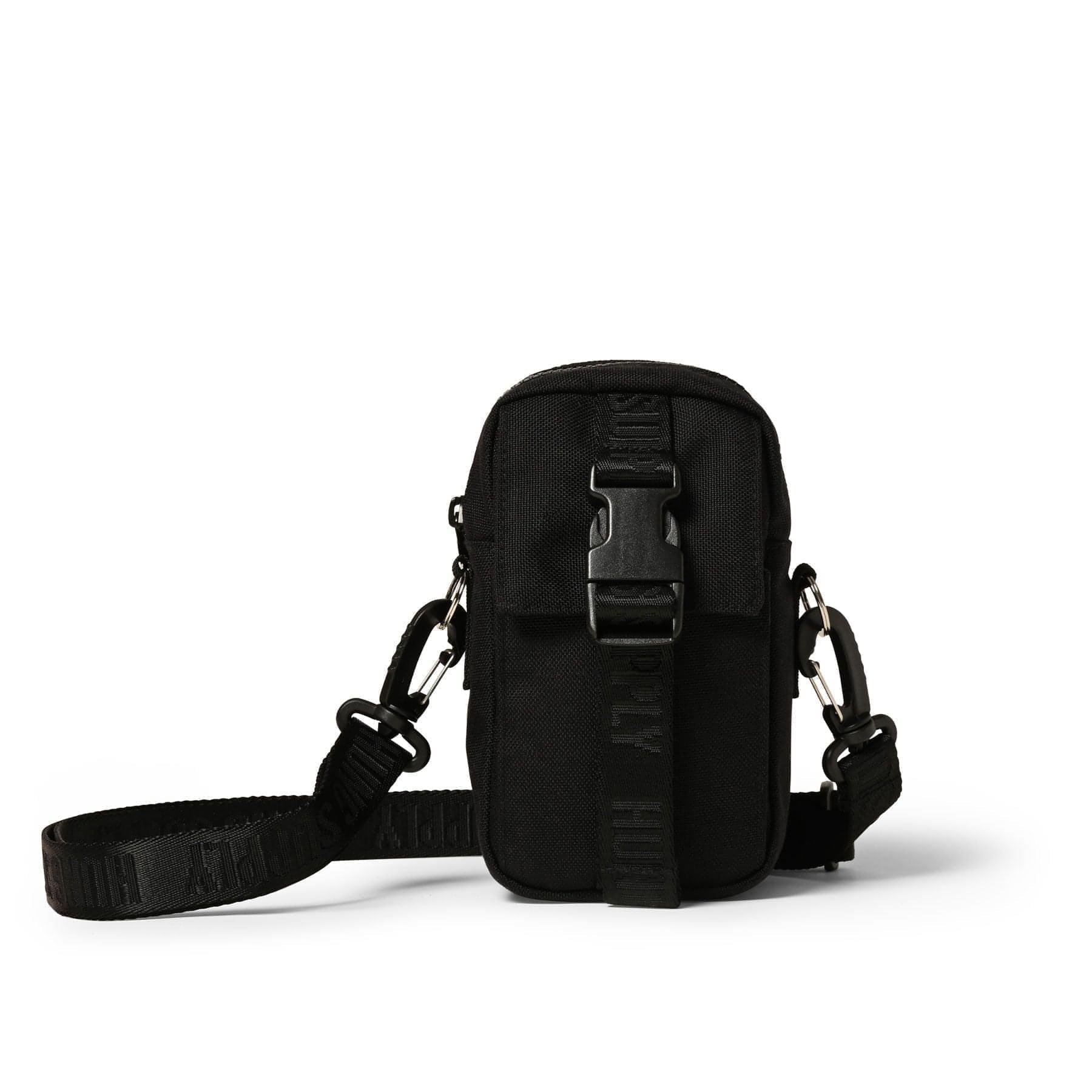
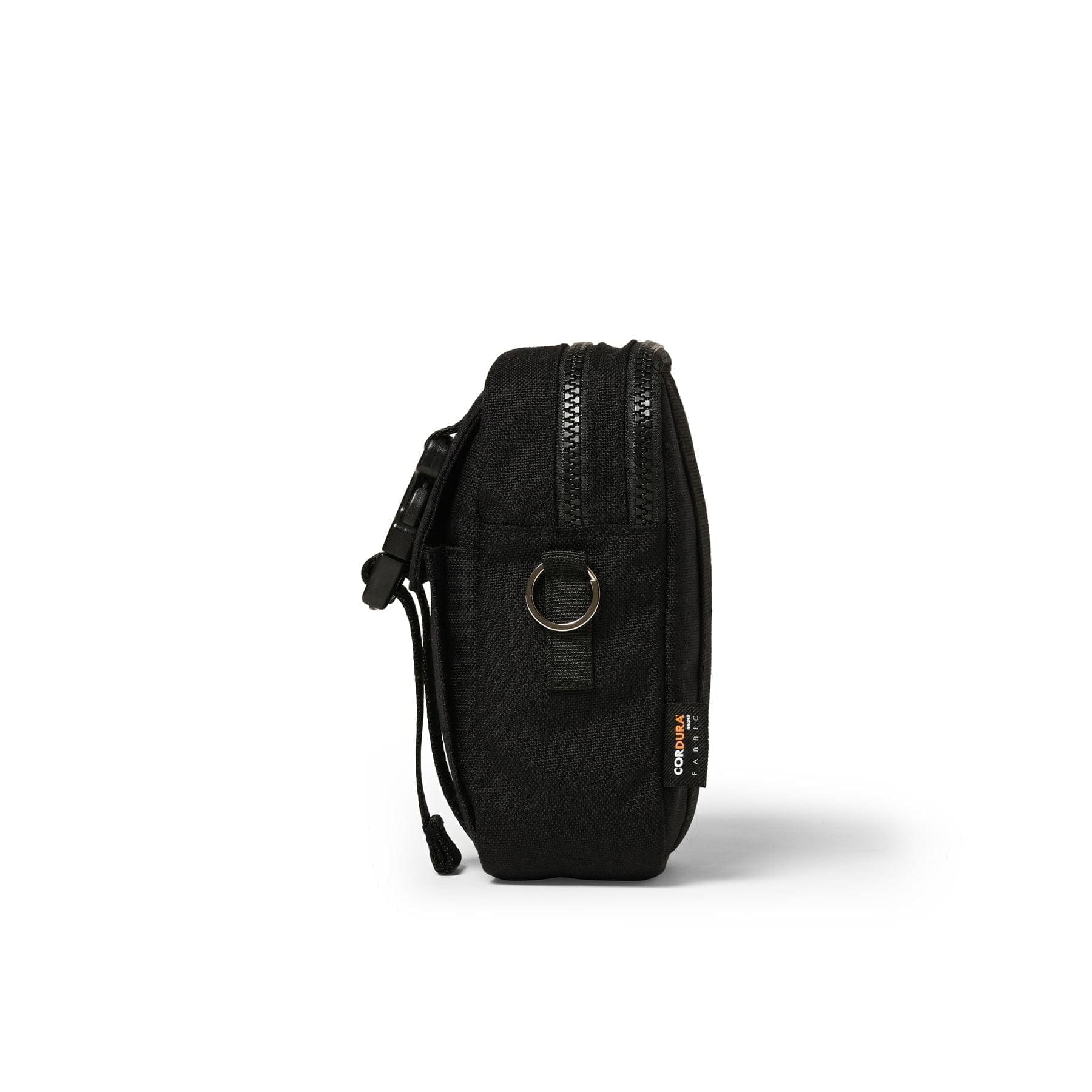
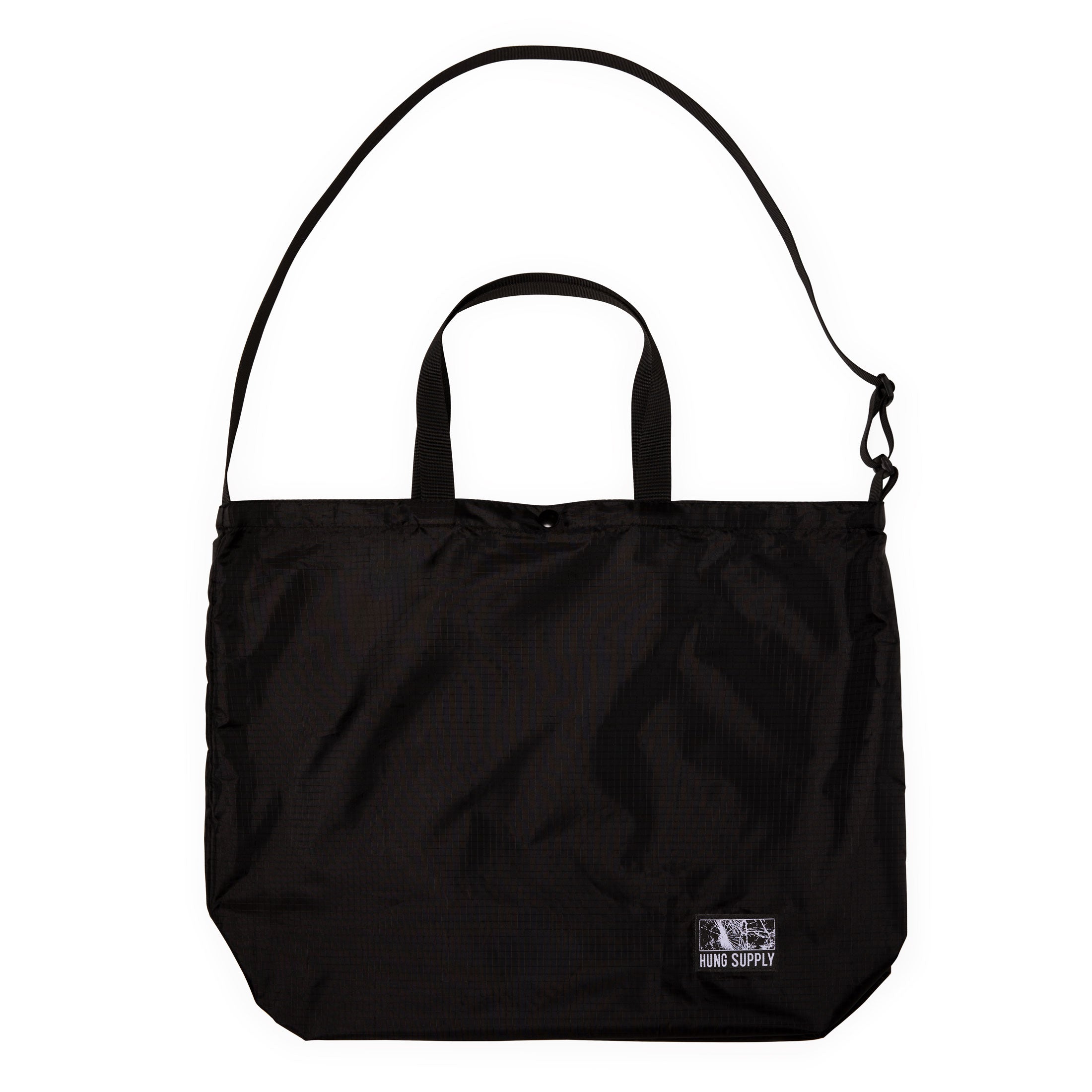
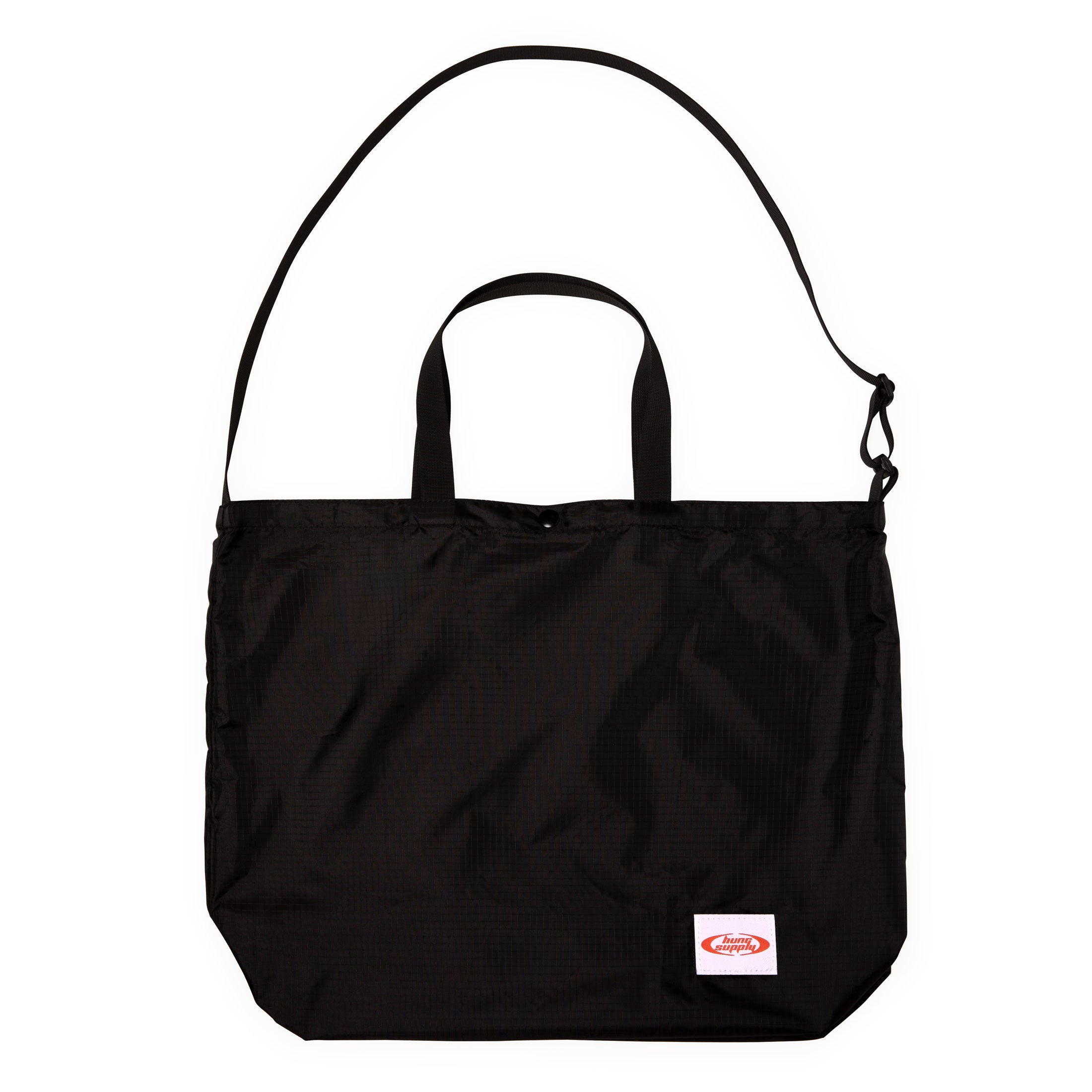
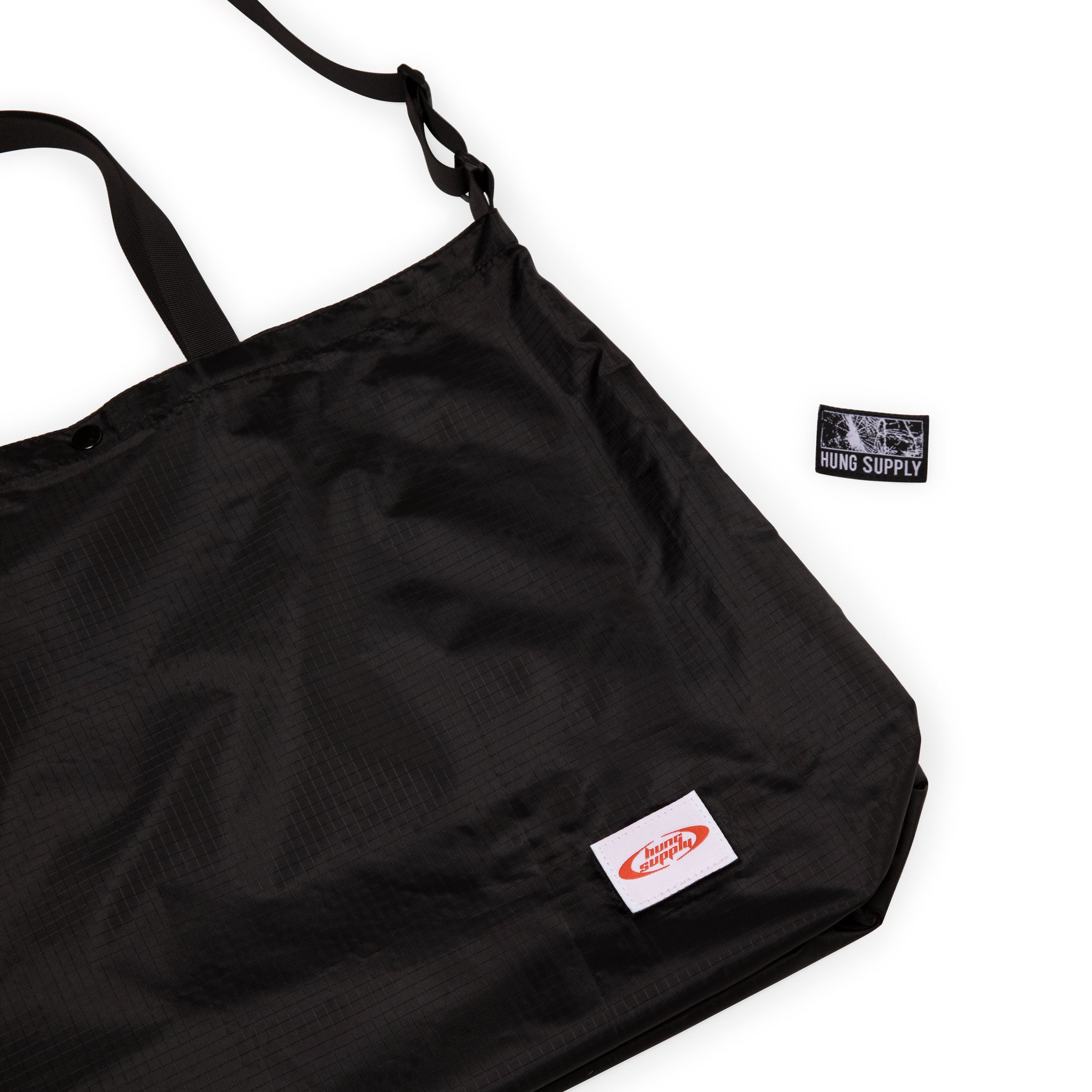
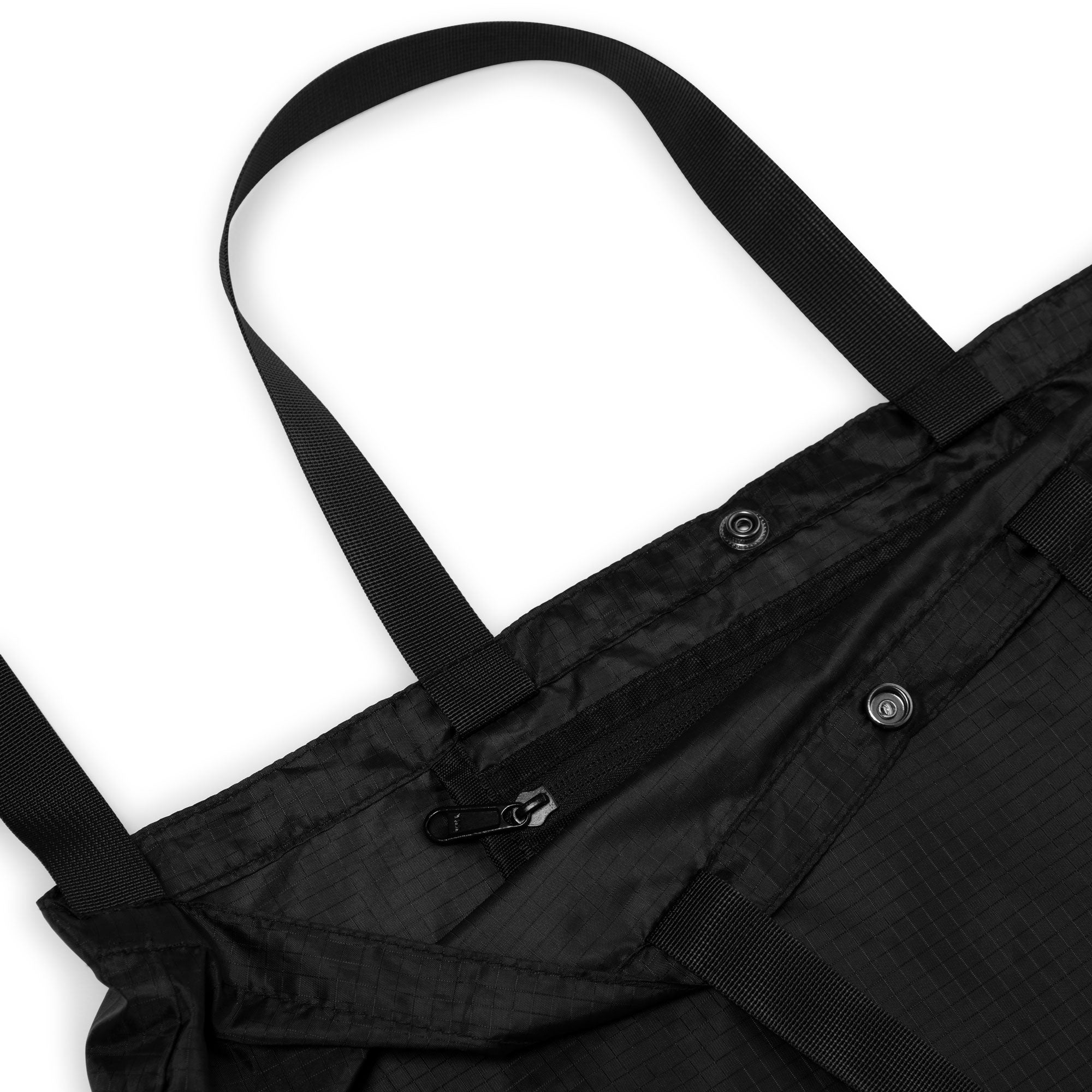
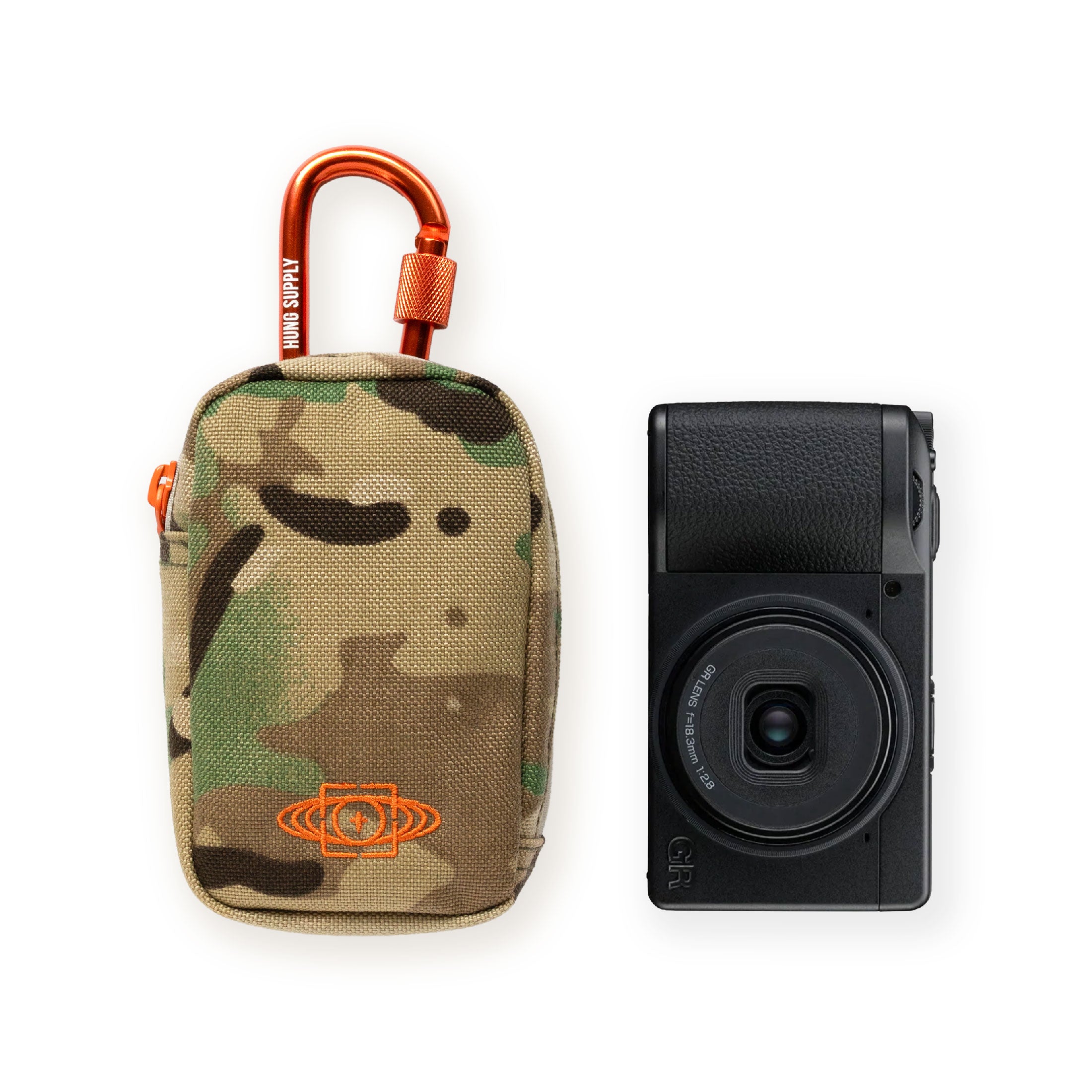
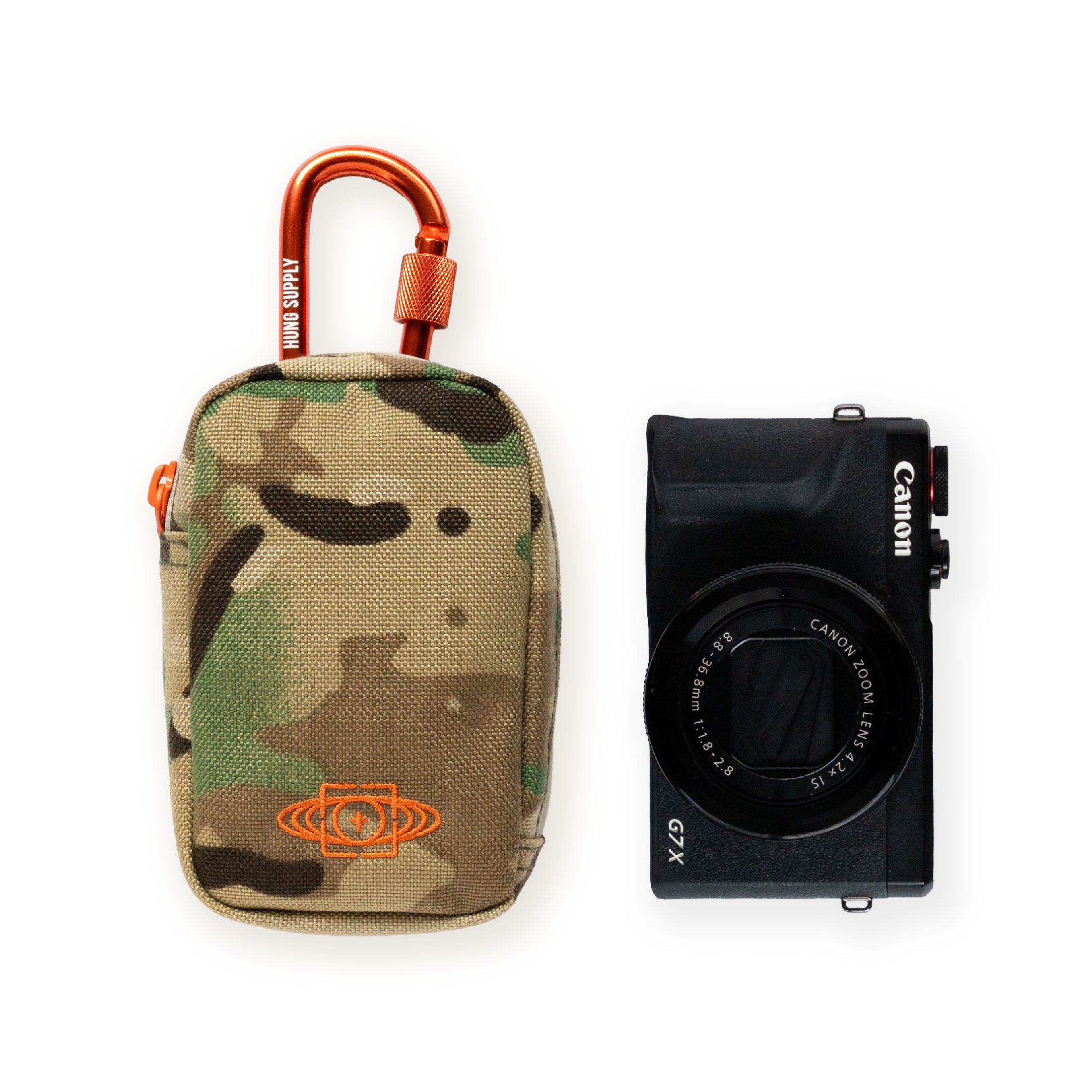
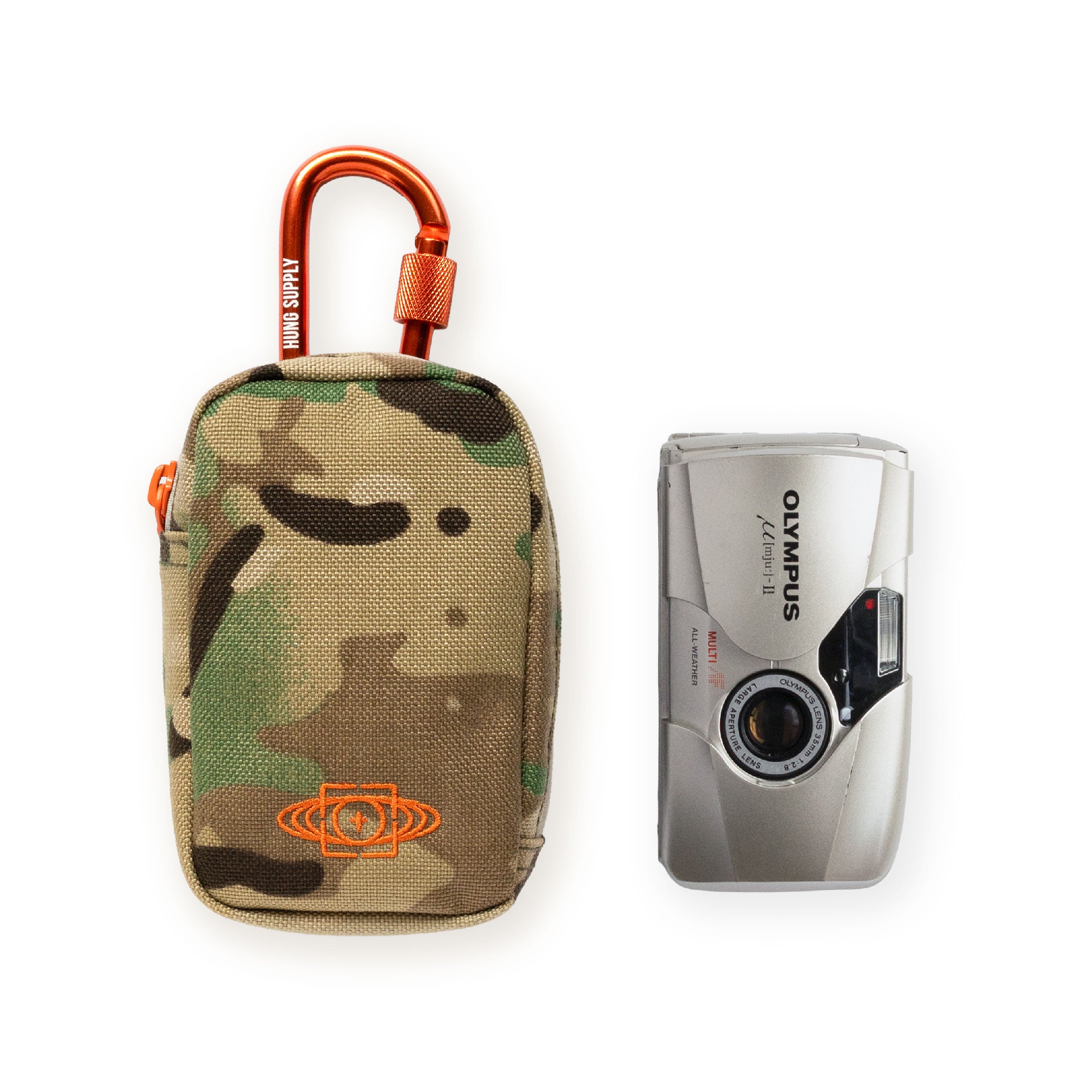
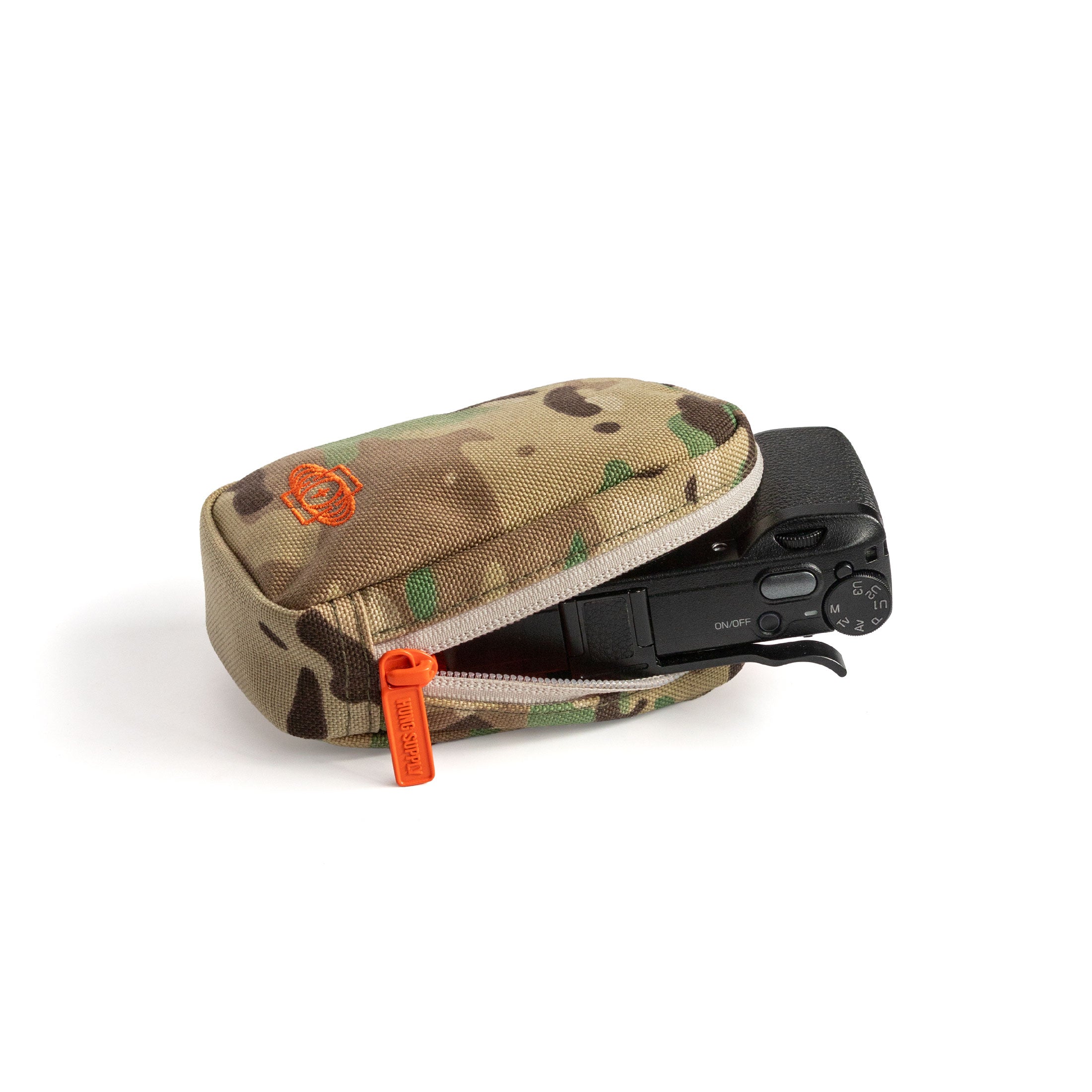
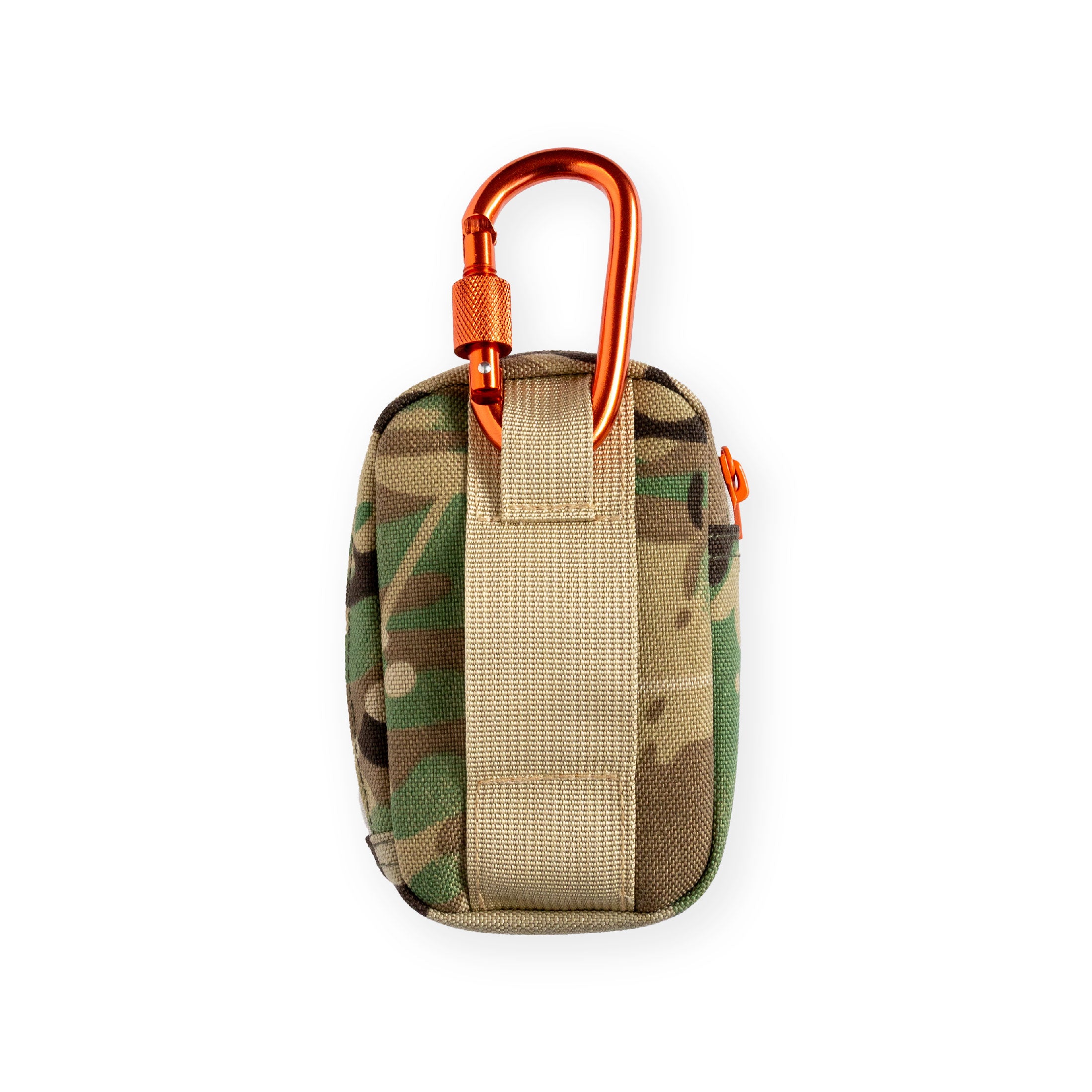
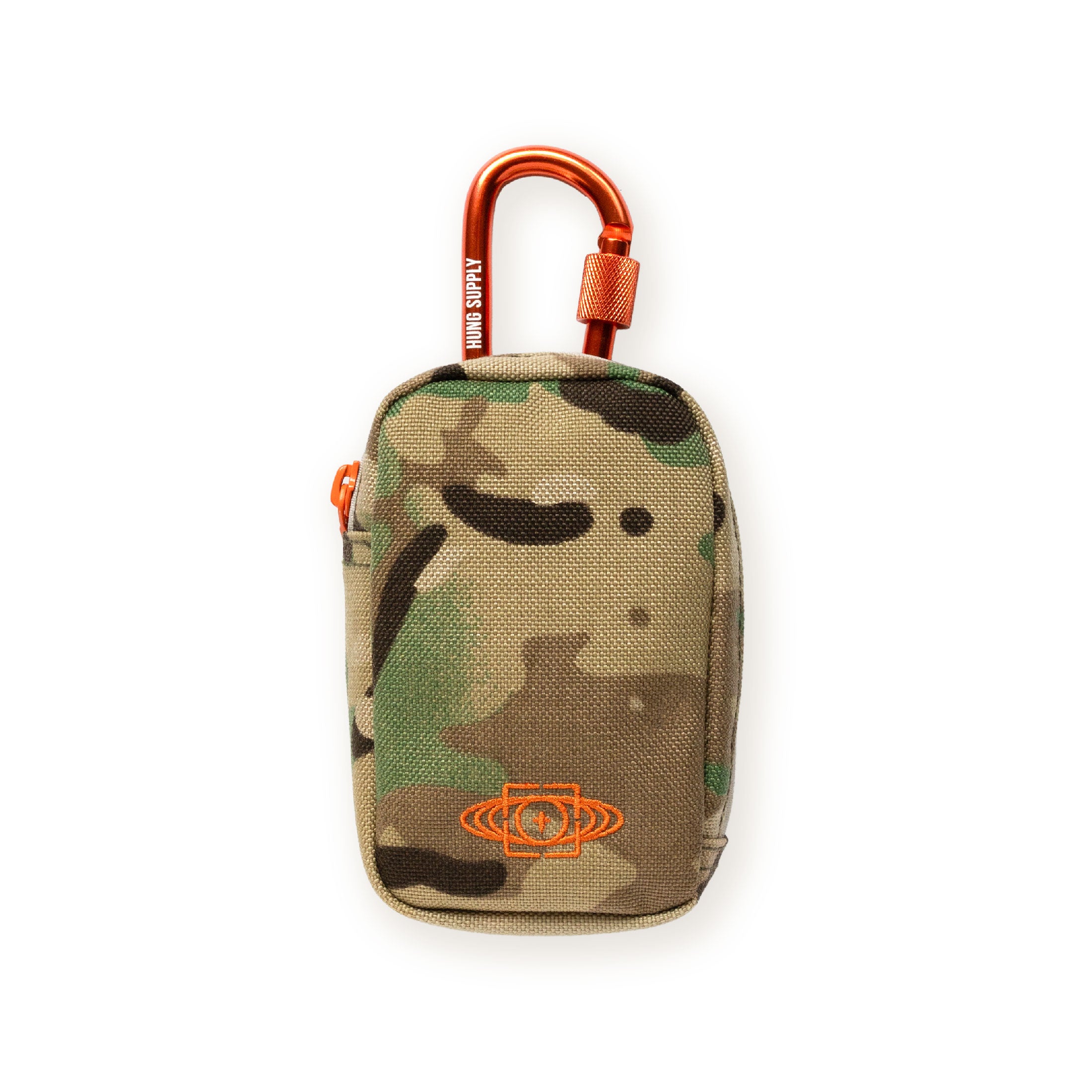
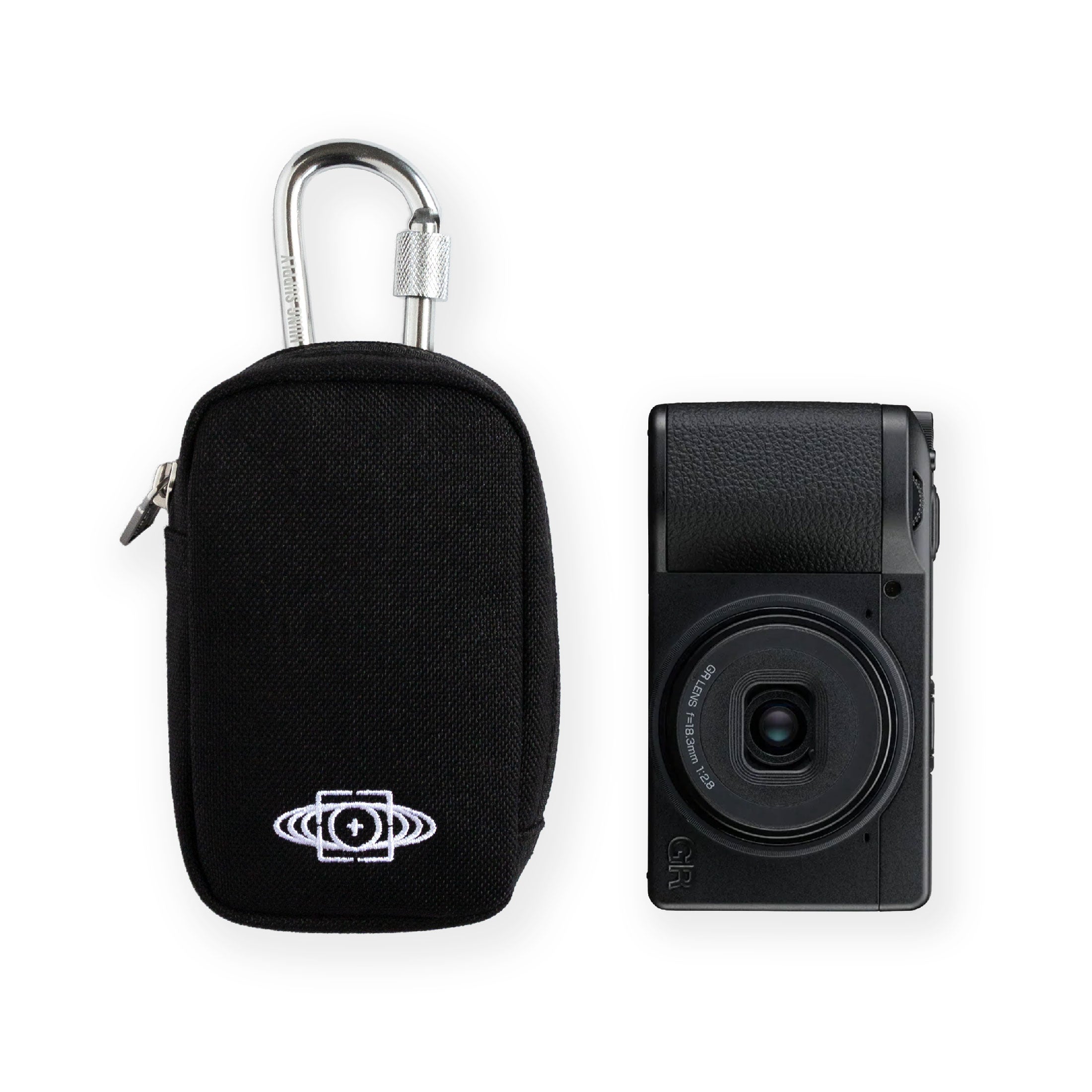
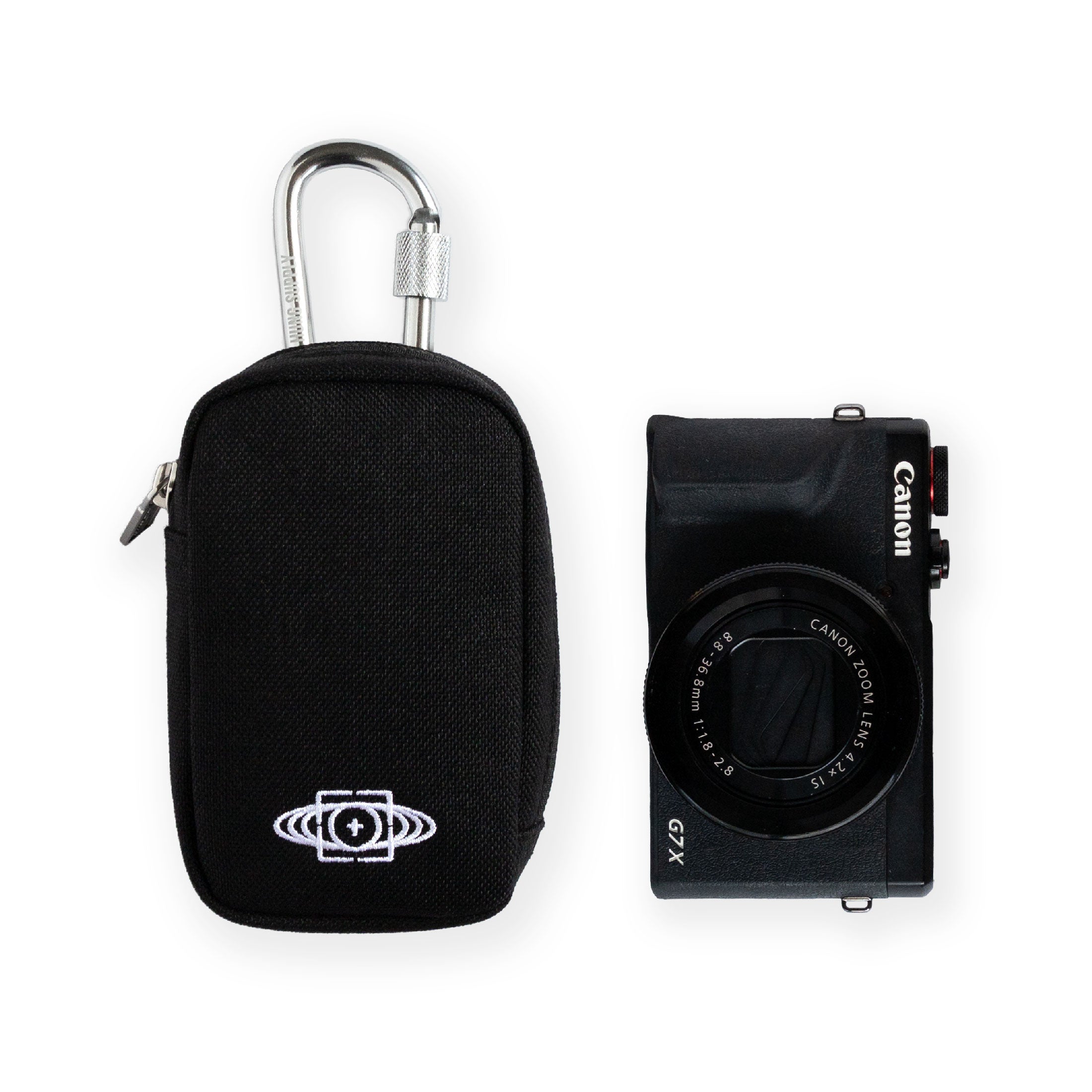
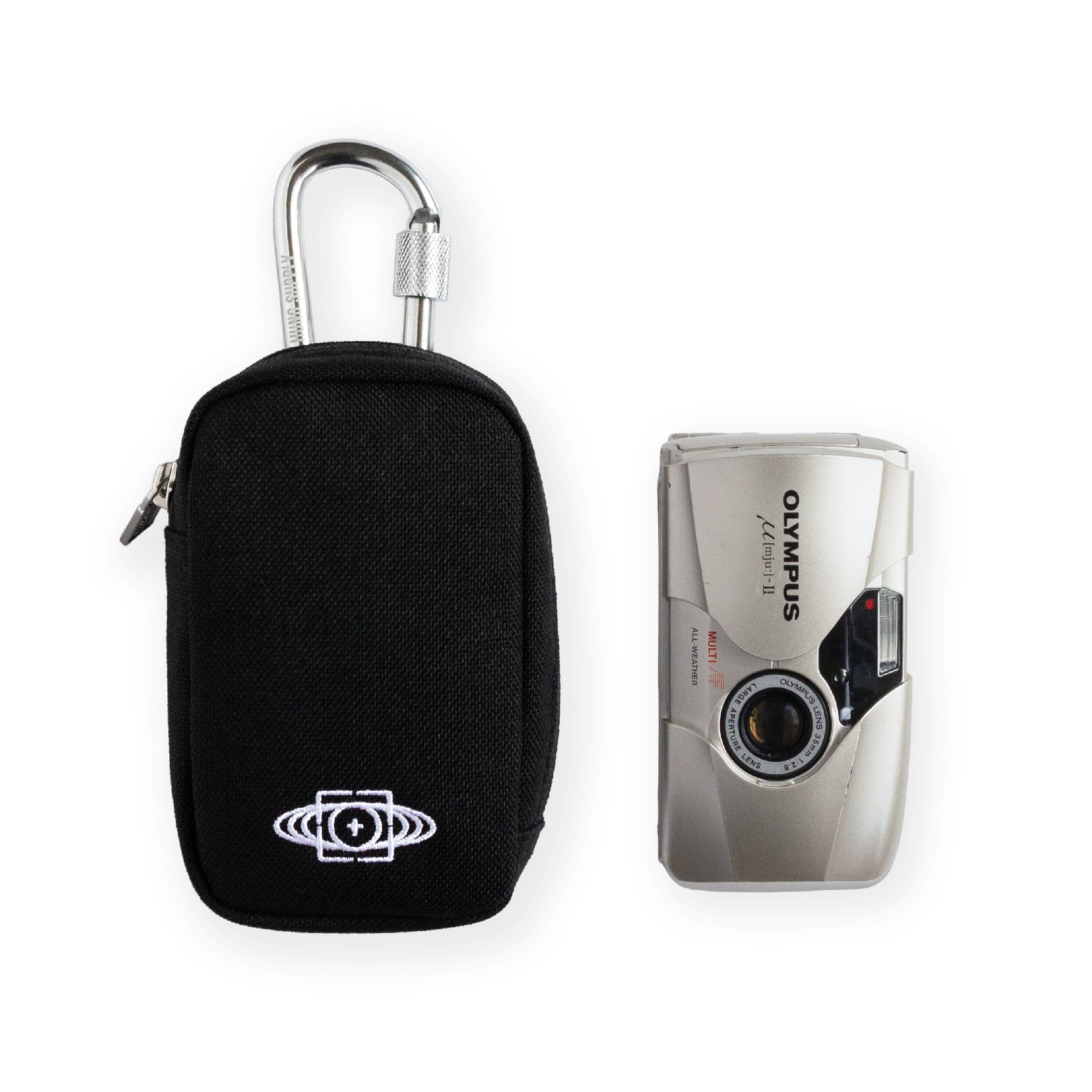
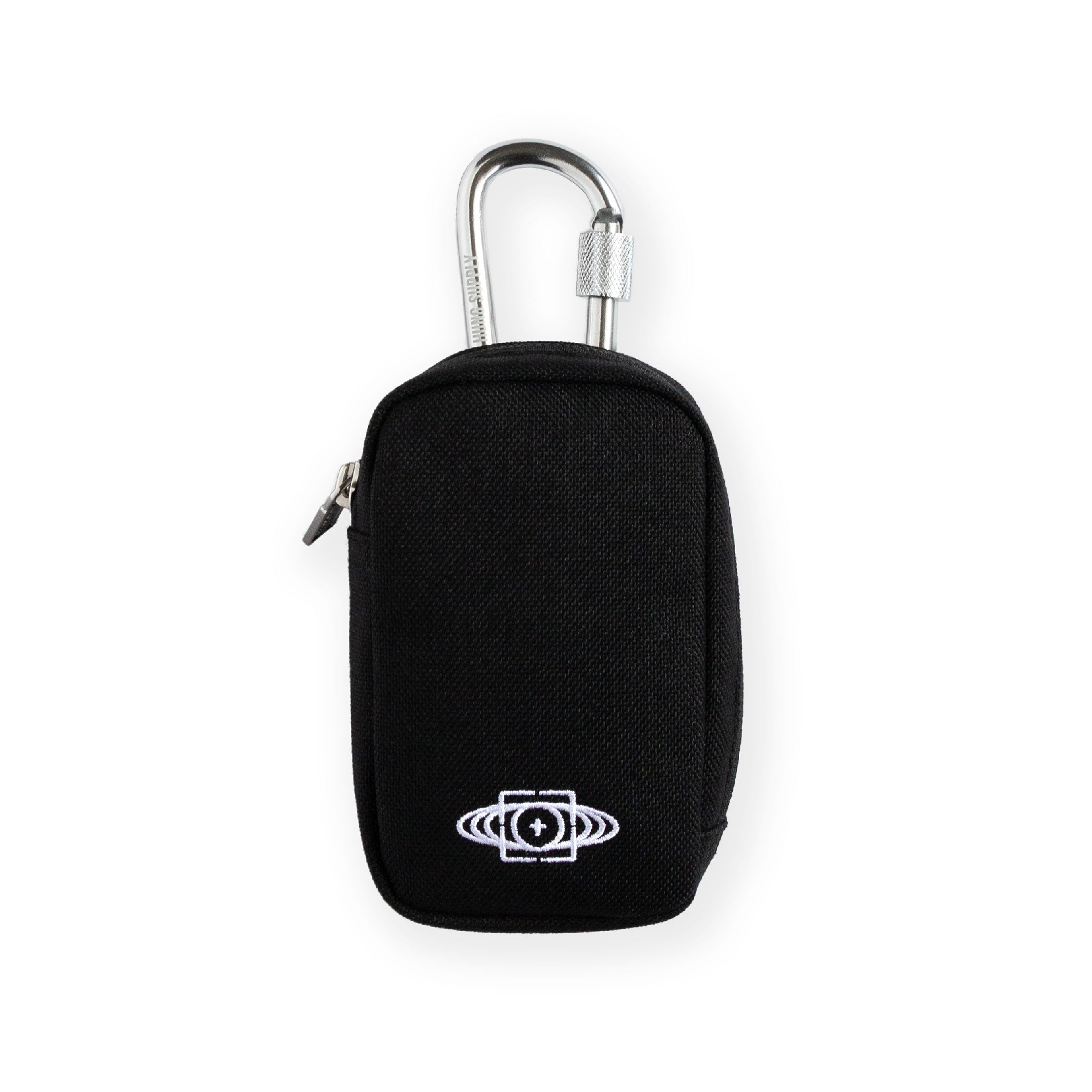
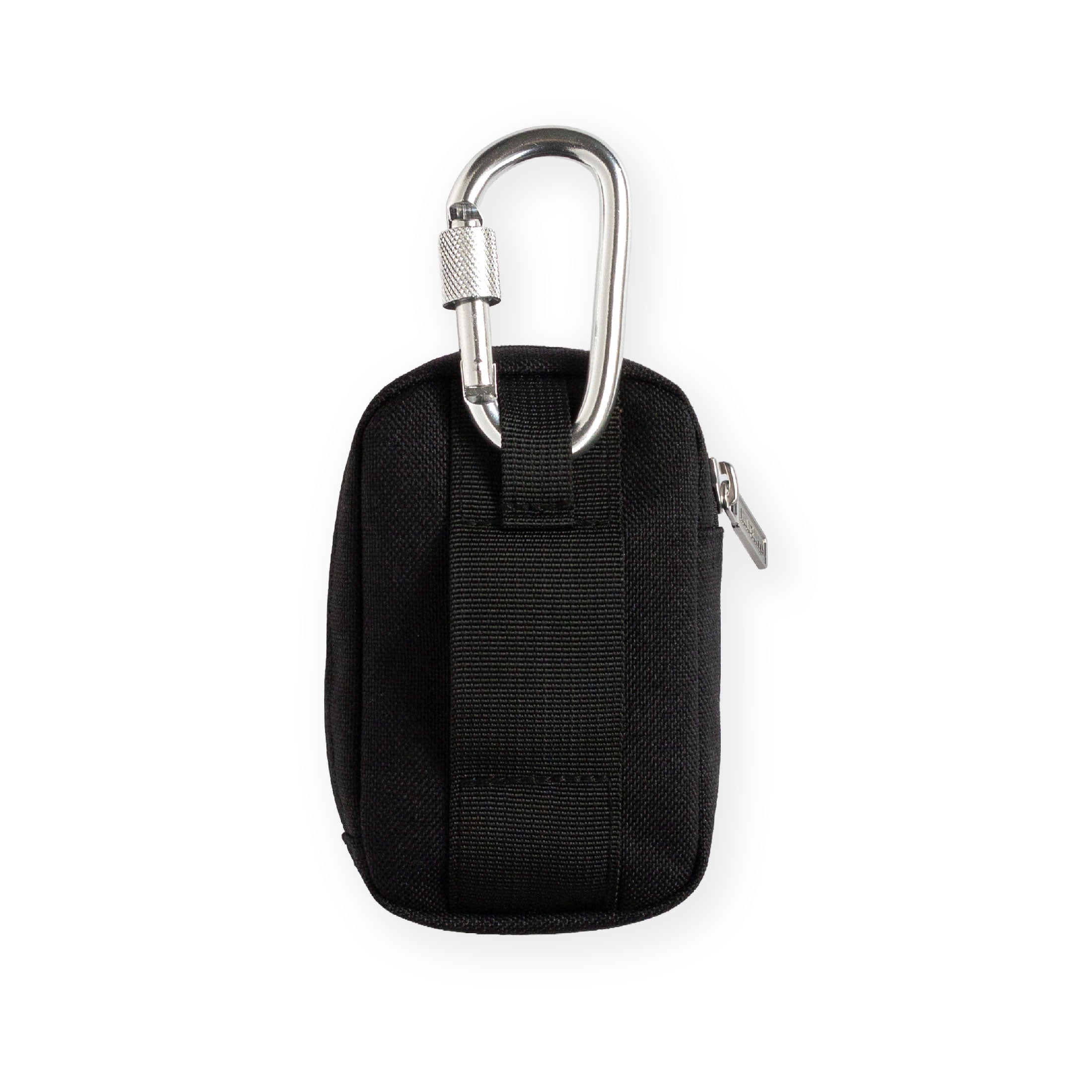
Filmmaker and photographer Jackson O'Brien is a textbook example of a rolling stone. Independent. Adaptable. No moss. His Hi-Fi Camera Sling carries a disciplined load-out, with just enough room reserved for creature comforts. Stamping his passport across surf, tourism, fashion, and lifestyle, Jackson has just about seen, and photographed, it all. What does he pack beyond the boarding gate? We get to the bottom of it.

Bag Raid w/ Jackson O'Brien
Sony A7V - My main workhorse. It handles pretty much everything these days, from commercial work to travel and everything in between. It's the camera I trust when I need to come home with the shot.
Canon S95 Powershot - I've had this camera since 2010, and somehow it still ends up in my bag. Small enough to fit in a pocket and always ready when a moment presents itself. It's travelled more miles than most people.
Notebook - This thing goes everywhere with me. It's filled with ideas, locations, shot concepts and random observations from wherever I happen to be in the world. Some of my favourite projects started as nothing more than a scribble in those pages.
Passport - Probably the most important thing in the bag right now. When I'm travelling, I never feel comfortable leaving it behind, so it comes everywhere with me.
Spare Battery - Not the most exciting item, but definitely one of the most important. Nothing kills creativity faster than a dead battery.
Pen - For all the ideas that arrive at the worst possible times.
Incense - For some reason, no matter where I am in the world, I always end up carrying incense with me or buying some along the way. Whether I'm staying in a hotel room, an Airbnb or somewhere completely remote, lighting incense has become a little ritual that helps me slow down, reset and feel grounded.
Jackson, for anyone new to your work – how do you usually describe what you do?
I usually describe myself as a storyteller who happens to use cameras. Photography and filmmaking are just the tools. Whether I'm documenting a remote corner of the world, shooting a fashion campaign, or capturing a quiet moment while travelling, I'm always trying to create work that makes people feel like they were there.
Over the last decade, I've worked across surf, tourism, fashion, lifestyle and commercial projects, but at the core of it all, I'm chasing moments that feel real.
Where are you based, and where are you right now?
I'm based in the Northern Rivers on the east coast of Australia, where I was lucky enough to be born and raised, but I spend a lot of my year on the road.
Right now, I'm travelling through Italy with my partner, shooting a mix of personal work, campaigns and client projects. It's been nice slowing down a bit and creating without constantly rushing to the next thing.

How did you get into photography and filmmaking?
I think filmmaking came first. Growing up, I was obsessed with skateboarding and spent countless hours watching 411 videos. We had an old Panasonic handycam that recorded onto tapes, and I'd run around filming dumb stuff with friends, making little edits and pointing the camera at pretty much anything that moved.
Looking back, that's probably where it all started. I didn't know it at the time, but I was already fascinated by storytelling and documenting the world around me.

What was your first camera?
My first real photography camera was a Canon S95 Powershot, which I bought back in 2010. My mum had actually bought me a Canon DSLR beforehand, but if I'm honest, I didn’t know how to use it. It was so big and bulky that I rarely wanted to take it anywhere.
A mate recommended the S95, and that little camera changed everything. Because it fit in my pocket, it came everywhere with me. The funny thing is, fifteen years later, it's still with me. In fact, it's sitting in my bag here in Italy as I answer these questions.
You shoot stills and motion – sometimes on the same job. How does that shape what you carry?
It's definitely changed the way I pack. Over the years, I've shot on just about everything, from Super 8 and 35mm film cameras through to RED cinema systems. At one point, I was travelling with over 40 kilograms of camera gear, convinced I needed every lens, body, battery and accessory imaginable.
These days, I've gone completely the other way. When you're constantly moving between stills and motion, versatility becomes far more important than having every piece of gear. I'd rather carry a lightweight setup that keeps me mobile and present than be weighed down by equipment. At the end of the day, the story matters far more than what's in the bag.

Your work spans surf, fashion and brand – what pulled you into that world and how has it evolved?
I've always been fascinated by people, culture and the way different lifestyles shape the stories around us. I was born and raised around surfing and even competed when I was younger, so naturally, the surf world was where my photography journey began. It was familiar territory and gave me my first opportunities behind the camera.
The real turning point came in 2018 when I went to Bali to shoot a friend's wedding. The plan was to stay for three weeks, but three weeks quickly turned into eight years. Being surrounded by people from all over the world completely changed my perspective. I became interested in the people behind the brands, the culture behind the destinations and the stories connecting it all. Looking back, Bali was probably the place that pulled me into lifestyle, fashion and brand storytelling.
What do you look for in a frame before you lift the camera to your eye?
Light is usually the first thing that catches my attention. From there, I'm looking for emotion, movement or some kind of connection with composition. I'd rather create something that feels honest than something that's simply perfect. I've always loved 'shooting from the hip'. For me, photography has always been less about creating moments and more about noticing them.

You've been through some heavy places with a camera – Ukraine, Kazakhstan, Mexico. What does your kit look like heading somewhere like that versus a coastal fashion shoot?
The funny thing is that the longer I've been doing this, the less gear I seem to carry. These days, I'd rather have a streamlined setup that lets me focus on the story than be weighed down by equipment.
In places like Ukraine, Kazakhstan or Mexico, I'm packing light, practical and reliable. I want equipment I trust, backups for the essentials and gear that won't slow me down. For a fashion shoot, it's the complete opposite. I'm basically bringing the whole production with me.
Is there anything you find yourself always coming back to shoot, regardless of the brief?
People. No matter where I am in the world, I always find myself more interested in the people than the place itself. The way people move, interact and go about their lives fascinates me. Whether it's a fisherman in Italy, a surfer in Indonesia or someone sitting alone in a café, those are usually the moments that catch my attention. For me, that's where the story is.

What's been your most chaotic travel or shoot experience?
Ukraine was definitely the most intense. The first morning we woke up in Kyiv, more than 40 missiles were launched into the city. Less than a kilometre from where we were staying, a missile had struck an apartment building. It was one of those moments that puts everything into perspective. One minute you're planning your day, the next, you're reminded that you're standing in the middle of a war zone.
I was travelling with Craig Jones while he was running a jiu-jitsu seminar, and what followed was one of the most surreal experiences of my life. We visited Chernobyl during a time when very few people were entering the exclusion zone, and later spent time with Ukrainian soldiers just a few kilometres from the front lines.
What stayed with me wasn't the destruction though, it was the people. Despite everything happening around them, people were still showing up for work, meeting friends, opening cafes and trying to live their lives.
That trip broke me in a way I still struggle to explain, but it also shaped me into a different person. As a photographer, it completely changed the way I look at storytelling. It reminded me that some of the most powerful stories aren't always about the big moments, they're about ordinary people finding a way to keep going through extraordinary circumstances.

What's your go-to camera setup right now?
These days, my go-to setup is the new Sony A7V paired with a 14–24mm and a 24–105mm, a Sony 4K Handycam and my trusty Canon S95 Powershot. The Sony handles most of my professional work, the handycam comes with me whenever I want something a little more nostalgic and imperfect, and the S95 still somehow finds its way into my bag.
Film or digital?
Film will always have my heart. I spent nearly eight years shooting on film, and to this day, I don't think anything beats the nostalgia, anticipation and imperfections that come with it. There's something special about not knowing exactly what you've captured until you get the scans back.
These days, though, I shoot mostly digital. I'm travelling constantly, moving between client work and personal projects, and digital simply makes more sense for the way I work. That said, film still influences everything I do. It's taught me to slow down, be more intentional and focus on moments that actually matter.

What's your favourite film stock?
That's a tough one. For 35mm, I'd have to go with Kodak Portra 400. It's hard to beat. The colours are beautiful, it handles light incredibly well, and it has this timeless quality that keeps me coming back.
For Super 8, it's Kodak Vision3 50D all day. I've shot a lot of it over the years, and there's just something about the way it renders light and colour that feels incredibly nostalgic.
If you could only take one camera for the rest of your life, what would it be?
If I could only take one camera, it'd be a Yashica T5, my first point-and-shoot. I bought it off my mate Tom Hawks. It travelled the world with me for years and was the perfect shoot-from-the-hip camera. Small enough to fit in a pocket, simple enough to take anywhere. I loved the design, the weight of it and the way it felt in your hand. It just had character. But the images it produced were insane. Every time I picked it up, I wanted to go and take photos.

What's the wildest thing you've done to get the shot?
Nothing will ever compare to Ukraine. Just before that, I was in Kazakhstan documenting a game called Kokpar, a traditional horseback sport that's unlike anything I've ever seen. It involves riders on horseback fighting for control of a goat carcass and carrying it to a scoring circle while dozens of other riders do everything they can to stop them. Imagine rugby, soccer, wrestling and horse racing all rolled into one. The entire thing unfolds at full speed across the open steppe. Horses crashing into each other, riders hanging off saddles, dust flying everywhere and thousands of spectators watching from the sidelines.
It felt like stepping back in time and witnessing something that had barely changed for centuries. Those are the experiences I live for, being dropped into a world completely different from your own and trying to tell a story through it.
What's one thing you're trying to get better at – behind the camera or just in general?
Being more present. For a long time, I was always focused on the next project, the next destination or the next goal. Travelling through Europe recently has reminded me that some of the best moments happen when you slow down enough to notice them. Whether it's photography, business or life in general, I'm trying to spend less time thinking about what's next and more time appreciating what's right in front of me. Ironically, I think that's made me a better photographer too.

What's coming up – anything we should be keeping an eye on?
To be honest, I'm slowing down a little. After years of constantly chasing the next project, I'm becoming more intentional about who I work with and what I say yes to. These days, I'm far more interested in working with good people, telling meaningful stories and creating work that genuinely excites me.
There'll definitely be more travel on the horizon, even though I'm making an effort to spend a little more time grounded at home. Beyond that, who knows. I've never been one to kiss and tell. You'll just have to follow along and find out.


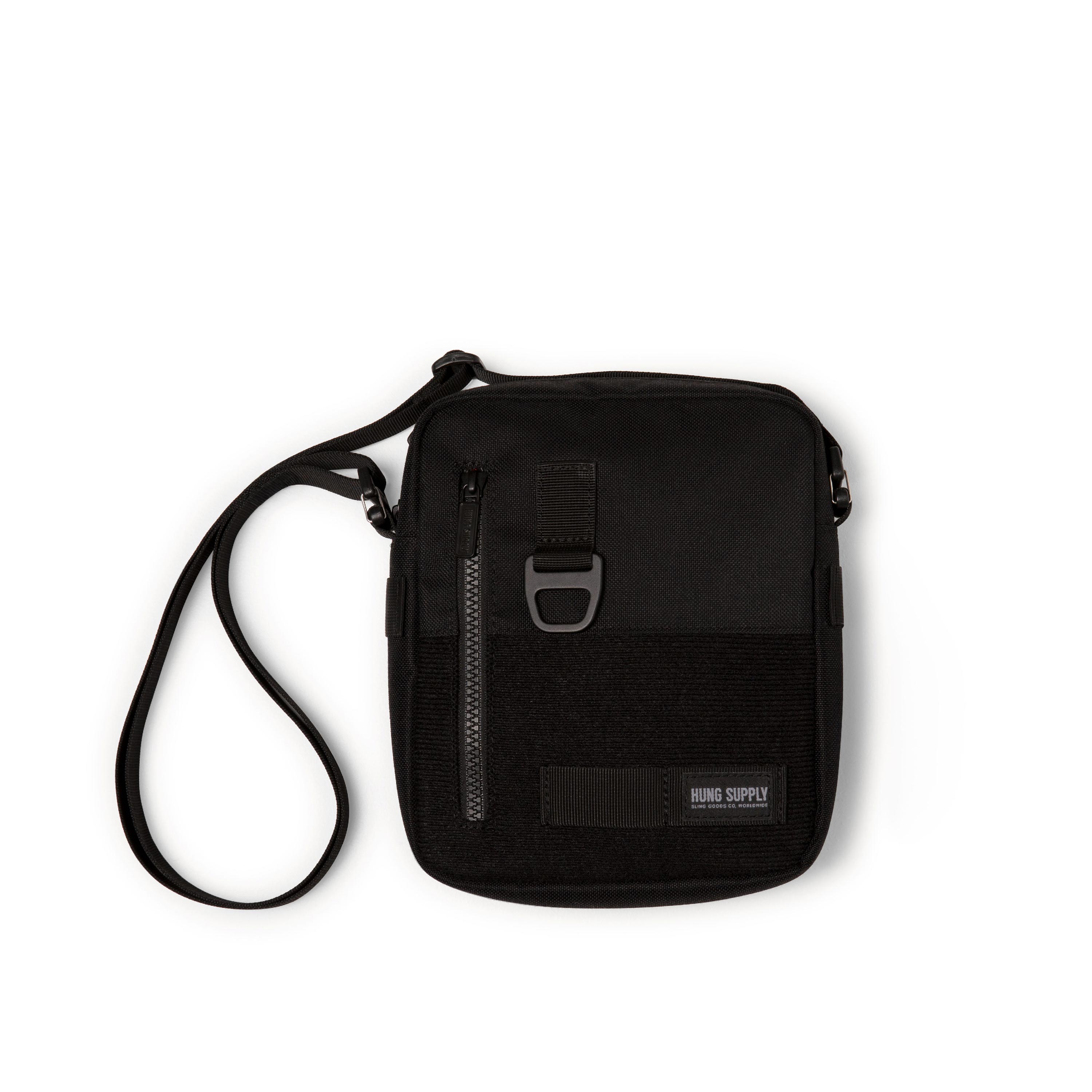
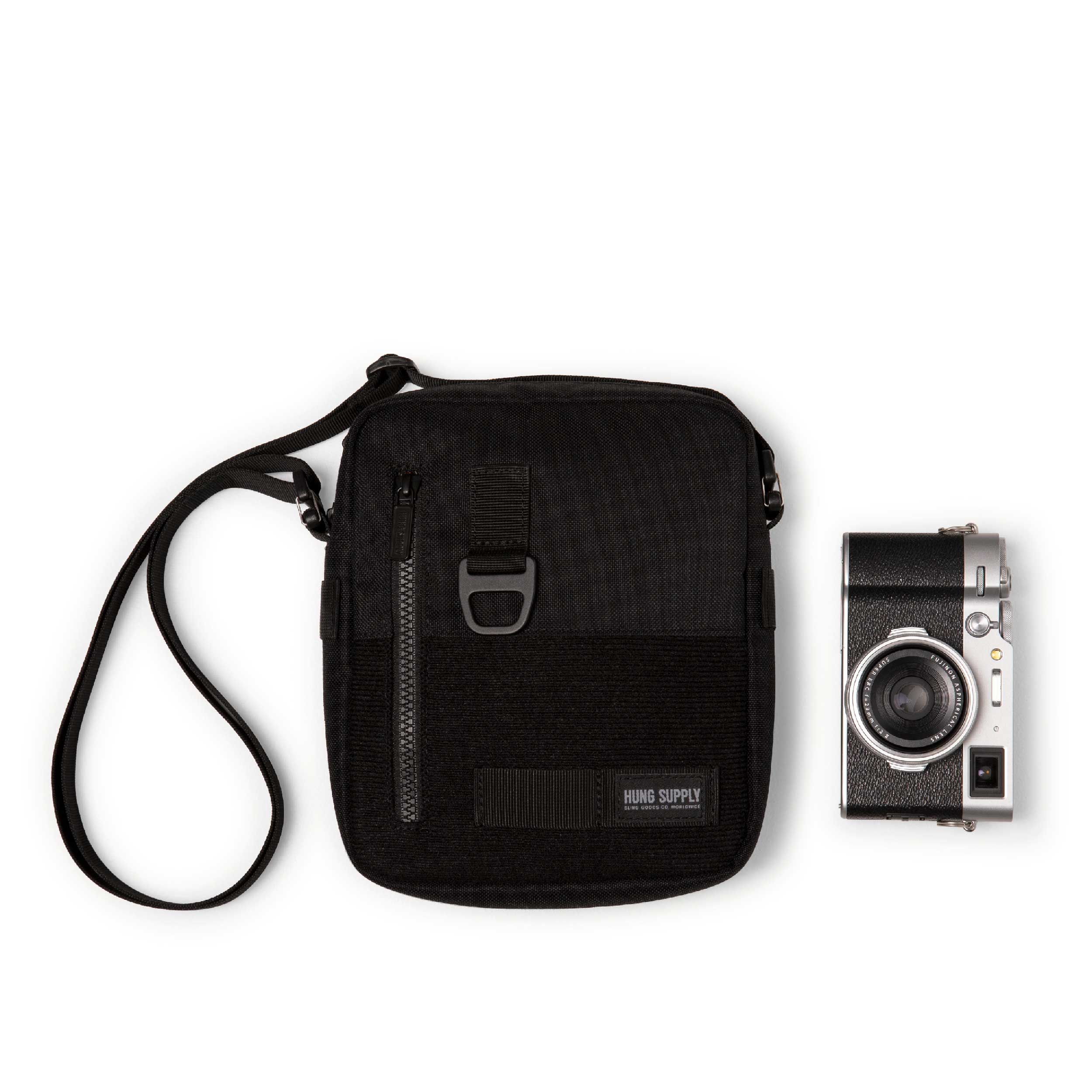
Carry like Jackson with the Hi-Fi Camera Sling.